That sharp, sudden pain when you sip your morning coffee at a Surfers Paradise café or bite into an ice cream at Broadbeach, tooth sensitivity affects millions of Australians and can significantly impact your quality of life. While sensitive teeth are common, they’re not something you should simply accept and endure.
At Bundall Dental and Implants, we help Gold Coast residents understand why their teeth hurt and provide effective solutions. Whether you’re experiencing occasional twinges or persistent discomfort, this comprehensive guide will help you understand tooth sensitivity, identify the causes, and discover treatments that work.
Serving patients across Bundall, Surfers Paradise, Broadbeach, Southport, and surrounding areas, our experienced team provides personalised care for sensitive teeth.
What Is Tooth Sensitivity?
Tooth sensitivity, clinically known as dentin hypersensitivity, occurs when the underlying layer of your teeth (dentin) becomes exposed due to receding gum tissue or enamel erosion. When dentin is exposed, external stimulimsuch as hot, cold, sweet, or acidic foods and beverages can reach the nerves inside your tooth, causing sharp, temporary pain.
According to dental research, tooth sensitivity affects approximately 30% of Australian adults at some point in their lives, with prevalence peaking between ages 20 40
Key characteristics of tooth sensitivity:
- Sharp, sudden pain triggered by specific stimuli
- Temporary discomfort (typically lasting seconds to minutes)
- Affects one or more teeth
- Can range from mild discomfort to severe pain
You can find out more here – Why Do My Teeth Hurt?
Understanding How Tooth Sensitivity Develops
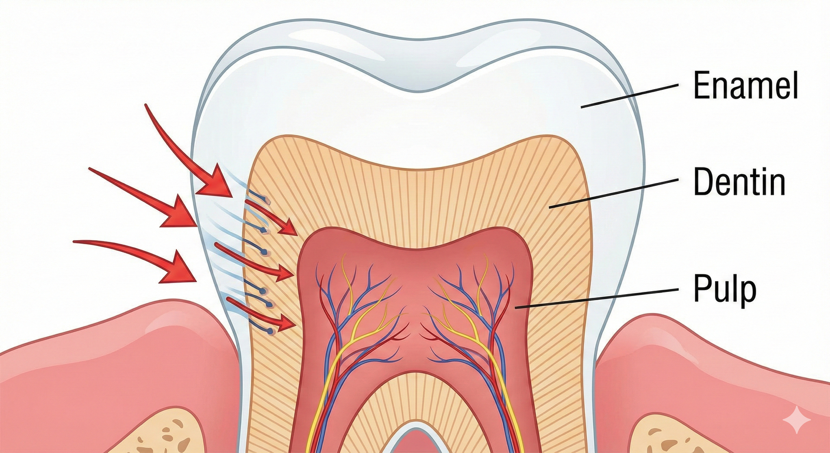
To understand sensitivity, it helps to know your tooth’s structure:
Tooth Anatomy:
- Enamel (outer layer): The hardest substance in your body, protecting teeth from daily wear
- Dentin (middle layer): Contains thousands of microscopic tubules that connect to the tooth’s nerve centre
- Pulp (inner layer): Contains nerves and blood vessels
When enamel wears down or gums recede, the dentin becomes exposed. The tiny tubules in dentin allow heat, cold, and acidic substances to reach the nerves, causing sensitivity and pain.
Common Causes of Tooth Sensitivity
1. Enamel Erosion
Enamel erosion is one of the leading causes of tooth sensitivity on the Gold Coast and beyond.
Common causes of enamel erosion:
Acidic Foods and Beverages:

- Citrus fruits (oranges, lemons, grapefruits)
- Tomatoes and tomato-based products
- Soft drinks and sports drinks
- Wine (both red and white)
- Apple cider vinegar
Gold Coast lifestyle note: With the abundance of fresh juice bars, smoothie cafés, and health-conscious eateries from Mermaid Beach to Burleigh, many Gold Coast residents consume acidic beverages regularly without realising their impact on enamel.
Aggressive Brushing: Using a hard-bristled toothbrush or brushing too vigorously can wear away enamel over time.
Teeth Grinding (Bruxism): Grinding or clenching teeth often during sleep wears down enamel and can expose dentin.
Read more: Teeth Grinding and Bruxism: Causes, Effects, and Solutions
2. Gum Recession
When gum tissue pulls away from teeth, the tooth roots become exposed. Unlike the crown (top) of your tooth, roots aren’t protected by enamel, making them particularly sensitive.
Causes of gum recession:
- Gum disease (gingivitis and periodontitis)
- Aggressive brushing
- Poor oral hygiene
- Tobacco use
- Genetics
- Age
Gum recession is progressive and won’t reverse on its own, making early professional intervention essential.
3. Tooth Decay and Cavities
Tooth decay creates openings in enamel, allowing bacteria and stimuli to reach the dentin and nerves. Sensitivity to cold or sweet foods can be an early warning sign of a cavity.
4. Cracked or Chipped Teeth
Even small cracks can expose dentin and cause sensitivity. Gold Coast residents engaged in contact sports, surfing, or other active lifestyles should consider protective mouthguards to prevent dental trauma.
5. Worn Dental Fillings or Crowns
Old fillings or crowns can wear down, crack, or develop gaps, exposing the underlying tooth structure.
6. Recent Dental Procedures
Temporary sensitivity after teeth whitening, fillings, crowns, or professional cleanings is normal and typically resolves within a few days to weeks.
7. Sinus Problems
Surprisingly, sinus congestion or infection can cause tooth sensitivity in your upper back teeth due to pressure on tooth roots near the sinus cavity. This is temporary and resolves when the sinus issue clears.
Types of Tooth Sensitivity
Understanding the type of sensitivity you’re experiencing helps identify the cause:
| Trigger | Possible Causes | When to Worry |
|---|---|---|
| Cold | Exposed dentin, enamel erosion, gum recession | If persistent or worsening |
| Heat | Deep decay, infection, root canal needed | Seek immediate attention |
| Sweet foods | Cavity, enamel erosion | Book dental appointment soon |
| Pressure/biting | Crack, abscess, gum disease | Requires professional assessment |
| Air | Exposed dentin, severe recession | Indicates advanced erosion |
Important: Sensitivity to heat is particularly concerning and often indicates infection or nerve damage requiring urgent treatment.
Home Remedies and Solutions for Sensitive Teeth
1. Desensitizing Toothpaste
Desensitizing toothpaste contains compounds (potassium nitrate or strontium chloride) that block pain signals from the tooth surface to the nerve.
How to use effectively:
- Use consistently (twice daily)
- Results typically appear after 2-4 weeks
- Can also apply directly to sensitive areas before bed
- Continue using long-term for maintained relief
Popular brands available in Gold Coast pharmacies: Sensodyne, Colgate Sensitive Pro-Relief, Oral-B Sensitivity & Gum Calm
2. Soft-Bristled Toothbrush
Replace hard or medium-bristled brushes with soft bristles and use gentle, circular motions rather than aggressive back-and-forth scrubbing.
Proper brushing technique:
- Hold the brush at a 45-degree angle to the gumline
- Use gentle circular motions
- Don’t apply excessive pressure
- Brush for two minutes, twice daily
Learn more about good dental care: Dental Health Habits That Actually Work
3. Fluoride Toothpaste and Mouthwash
Fluoride strengthens enamel and can help reduce sensitivity. Use fluoride toothpaste daily and consider a fluoride mouthwash if recommended by your Gold Coast dentist.
4. Avoid Acidic Foods and Beverages
Gold Coast dietary considerations:
Limit consumption of:
- Citrus juices and smoothies
- Soft drinks and energy drinks
- White and red wine
- Sports drinks (popular among active Gold Coast residents)
Tips for Gold Coast lifestyle:
- Use a straw for acidic beverages
- Rinse mouth with water after consuming acidic foods
- Wait 30 minutes before brushing after eating acidic foods
- Choose less acidic alternatives when possible
5. Wear a Nightguard
If you grind your teeth, a custom nightguard protects enamel from wear and can significantly reduce sensitivity.
Professional Treatments for Tooth Sensitivity
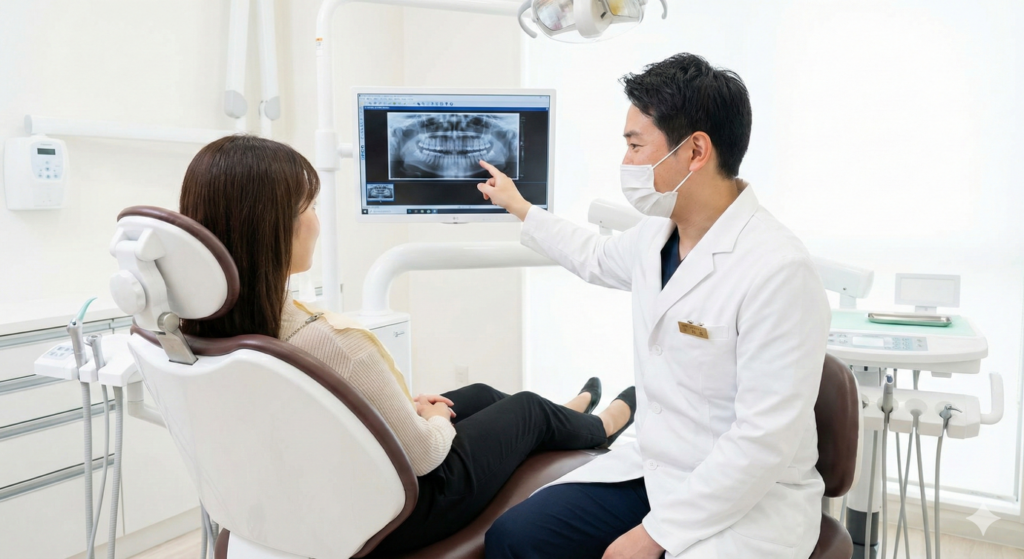
When home remedies aren’t enough, Bundall Dental and Implants offers several professional treatments:
Dental Bonding
Composite resin can be applied to exposed root surfaces to seal tubules and reduce sensitivity.
Gum Grafts
For severe gum recession, a soft tissue graft covers exposed roots, reducing sensitivity and improving appearance.
Root Canal Treatment
When sensitivity indicates nerve damage or infection, root canal treatment removes the damaged pulp and eliminates pain permanently.
Related: What Are the Side Effects of Root Canal Treatment?
Treating Underlying Conditions
If sensitivity stems from cavities, gum disease, or worn dental restorations, addressing these issues resolves the sensitivity.
When to See a Dentist About Tooth Sensitivity
Warning Signs That Require Professional Attention
Seek dental care if you experience:
- Sensitivity that persists beyond 2-4 weeks of home treatment
- Sensitivity to heat (indicates possible infection)
- Severe pain that prevents eating or drinking
- Sensitivity in one specific tooth (may indicate crack or decay)
- Visible holes, chips, or dark spots on teeth
- Swollen or bleeding gums
- Pain when biting or chewing
Emergency situations:
- Facial swelling
- Fever accompanying tooth pain
- Severe, throbbing pain
- Difficulty swallowing or breathing
Contact our emergency dental service immediately for urgent situations.
Preventing Tooth Sensitivity on the Gold Coast
Daily Oral Hygiene
- Brush gently twice daily with soft-bristled brush
- Floss daily to prevent gum disease
- Use fluoride toothpaste
- Consider desensitising toothpaste if prone to sensitivity
Dietary Habits
- Limit acidic foods and beverages
- Use straws for acidic drinks
- Rinse with water after consuming acidic items
- Avoid brushing immediately after acidic foods (wait 30 minutes)
Protect Your Teeth
- Wear a nightguard if you grind teeth
- Use sports mouthguards for contact activities
- Avoid using teeth as tools. Examples: opening bottle caps, stripping wires and many more.
Regular Dental Check-Ups
Six-monthly check-ups and professional cleanings at Bundall Dental and Implants help detect and address problems before they cause sensitivity.
Frequently Asked Questions
Why are my teeth suddenly sensitive?
Sudden sensitivity can result from recent dental work, new medications, dietary changes, increased grinding/clenching due to stress, or new cavities. If it persists beyond two weeks, book an appointment for an assessment.
Can tooth sensitivity go away on its own?
Sometimes, yes, particularly after dental procedures. However, sensitivity caused by enamel erosion or gum recession won’t resolve without intervention and typically worsens over time.
Is desensitising toothpaste safe for long-term use?
Yes, desensitising toothpaste is safe for continuous use and most effective when used consistently rather than intermittently.
Does teeth whitening cause permanent sensitivity?
Professional teeth whitening may cause temporary sensitivity that typically resolves within a few days. At Bundall Dental, we use techniques and products to minimise discomfort.
Can I prevent tooth sensitivity?
While some factors (genetics, age) are unavoidable, you can significantly reduce your risk through proper oral hygiene, dietary choices, using a soft toothbrush, and addressing grinding habits with a nightguard.
Book Your Tooth Sensitivity Assessment on the Gold Coast
Don’t let tooth sensitivity prevent you from enjoying your favourite foods and beverages or diminish your Gold Coast lifestyle. Effective treatments are available, and the first step is understanding the cause.
Contact Bundall Dental and Implants today to schedule a comprehensive assessment with Dr Mehran Shaibani and discover personalised solutions for your sensitive teeth.
Serving Gold Coast residents from Bundall, Surfers Paradise, Broadbeach, Southport, and all surrounding suburbs.
Relief from tooth sensitivity starts here.
Disclaimer:
This article is for informational purposes only and does not constitute professional medical or dental advice, diagnosis, or treatment. Every patient’s situation is unique, and treatment recommendations may vary based on individual circumstances. Always consult with a qualified dental professional before making decisions about your oral health care. If you have a dental emergency, contact your dentist or seek immediate medical attention.