
Quick overview
- Implants replace teeth that are missing or too damaged to save; veneers reshape and brighten the teeth that remain
- The two are usually staged: implant first, veneers once the crown is ready
- Not every implant patient needs veneers; a proper assessment comes first
- Results vary depending on bone health, gum condition and how many teeth are involved
Can dental implants and veneers be used together?
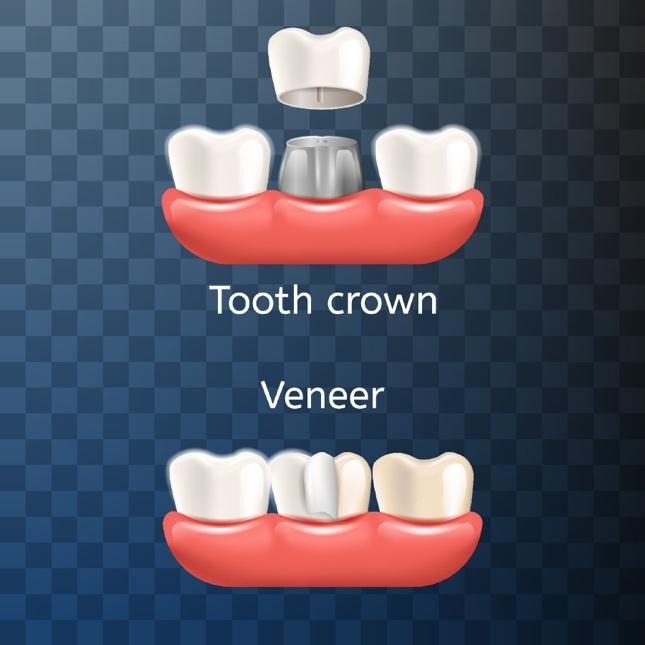
Dental implants and veneers solve two different problems, but yes, they can be used together. Implants replace teeth that are missing or too damaged to save, while veneers reshape and brighten the natural teeth around them.
For patients on the Gold Coast, dental implants replace teeth that are missing or too damaged to save, while veneers reshape and brighten the natural teeth around them.When a patient needs both, these are usually planned as a staged process, implant first, so the whole smile ends up looking consistent rather than like two separate jobs.
Why would you need both treatments?
This comes up more often than people expect. A patient comes in wanting a straighter, brighter smile, and once the dentist examines properly, the real issue isn’t the teeth they’re worried about, it’s the missing or badly broken tooth next to them that’s throwing the whole thing out of balance. Replace the missing tooth on its own and the new crown can look slightly off next to worn or discoloured teeth either side of it. Fix the surrounding teeth on their own and you’re left with a gap or a failing tooth doing the rest of the damage.
Do I need veneers if I’m getting an implant? Not necessarily. Some patients only need the implant, and the teeth around it are already in reasonable shape. Veneers come into the conversation when the neighbouring teeth are worn, discoloured or uneven enough that a brand new implant crown would stand out rather than blend in.
This comes up most often with patients in their forties and fifties who’ve had a tooth missing for a while. The gap gets filled eventually, but by then the teeth either side have picked up years of staining, small chips or wear that never got addressed because the missing tooth was the more urgent problem. Fixing the gap without looking at what’s happened around it only solves half the picture.
What does combining implants and veneers actually involve?
Step one: the implant
An implant starts with a consultation and imaging to check the bone where the tooth is missing. If there isn’t enough bone, bone grafting is often needed first, which adds time but is a routine part of the process for many patients. Once the implant post is placed, it needs several months to fuse with the jawbone before a final crown can go on top. This isn’t a same-day process, and it’s worth being cautious of anyone who says otherwise.
Step two, the veneers
Which comes first, the implant or the veneers? The implant, almost always. Shade and shape are much easier to finalise once the implant crown is in place, so everything can be matched at the same time rather than guessed at in advance. From there, porcelain or ceramic veneers are prepared for the surrounding teeth, with minimal shaping of the natural tooth underneath, then fitted alongside the final crown.
Will the implant crown and the veneers actually match? That’s why the two are usually planned together rather than treated as unrelated jobs. Matching colour, translucency and tooth shape across both at the same stage of treatment gives a far more even result than fitting an implant now and thinking about veneers as an afterthought later.
Am I a good candidate for both treatments?
It depends on a few things the dentist checks at the consultation, starting with how much healthy bone is available for the implant and the condition of the gums. How much sound tooth structure is left on the teeth that would get veneers matters too, and so does general oral health overall. None of this can be properly assessed without an in-person exam, which is why firm answers aren’t given over the phone.
What are the risks and realistic expectations?
Implants carry the usual surgical risks, including infection and the small chance the implant doesn’t integrate with the bone as expected. There’s also a healing period to plan around, several months in most cases, during which a temporary tooth is worn rather than the final crown. Porcelain veneers involve removing a small amount of enamel, which can’t be undone, while composite veneers are more conservative and easier to adjust later. Either way, individual results vary from patient to patient, and that’s worth saying plainly rather than promising an outcome before an exam has taken place. For a sense of how long veneers typically hold up, see our guide on how long porcelain veneers last
What does this typically cost?
This is a common question early on, and understandably so. It depends on how many teeth are involved, whether bone grafting is needed, how many veneers are being placed, and and the condition of the teeth receiving them. A figure can’t be put on that without an exam, and it’s worth being cautious of any dentist who quotes a price before seeing the mouth in question. What can be said is that planning both treatments together as one coordinated case is usually more practical, and often more cost-effective, than treating them as separate projects months or years apart.
In summary
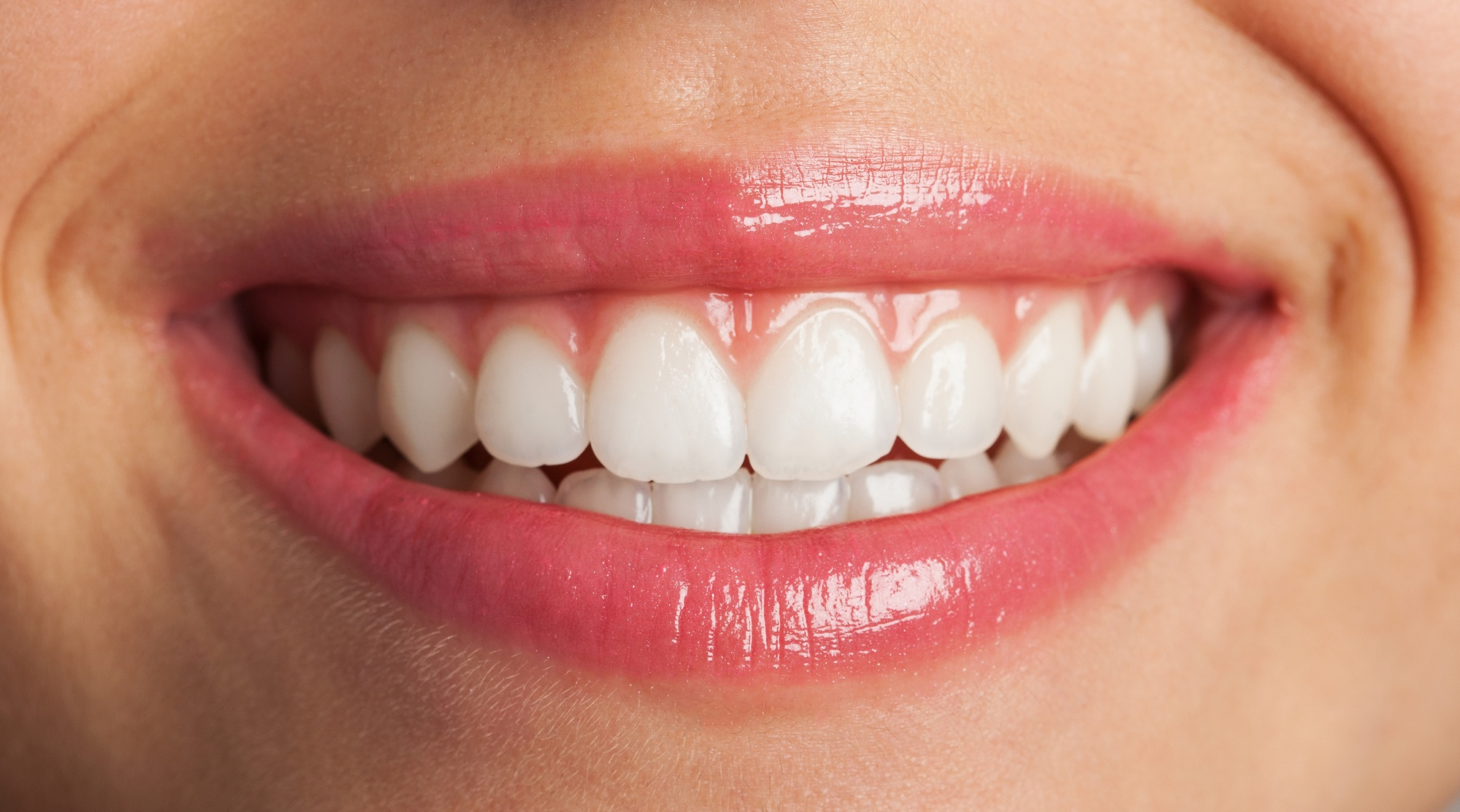
For patients on the Gold Coast, implants and veneers do different jobs, replacing missing teeth and refining the ones you keep, and combining them tends to work well when they’re planned together rather than as two separate appointments. The implant comes first and needs time to heal before a crown is fitted, with veneers usually finalised alongside it so the colour and shape match. Whether both are needed, and in what order, depends on an exam that can only be done in person.
Disclaimer: This article is for informational purposes only and does not constitute professional medical or dental advice, diagnosis, or treatment. Every patient’s situation is unique, and treatment recommendations may vary based on individual circumstances. Always consult with a qualified dental professional before making decisions about your oral health care. If you have a dental emergency, contact your dentist or seek immediate medical attention.
FAQ about Dental Implants and Veneers
1. Can dental implants and veneers be done in the same appointment?
No. Implants need several months to bond with the jawbone before a final crown can be fitted, so the two treatments are staged rather than combined into one visit. Veneers are usually finalised once the implant crown is ready, so shade and shape can be matched together.
2. Will people be able to tell which tooth is the implant?
When implants and veneers are planned together, the aim is for the crown and the veneers to match in colour and shape so the smile looks consistent. Results vary from patient to patient depending on how many teeth are involved and the condition of the surrounding teeth.
3. Do I need bone grafting before an implant can be placed?
Not always. It depends on how much bone is available where the tooth is missing, which is assessed with imaging at the initial consultation. Bone grafting adds time to the process but is a routine part of implant planning for many patients.
4. Is getting porcelain veneers reversible?
Porcelain veneers involve removing a small amount of enamel, which makes the process irreversible, so suitability is assessed carefully before treatment begins.
5. How long does the whole process take from start to finish?
It varies depending on how many teeth are involved and whether bone grafting is needed first. Implants alone typically take several months to fully integrate before a crown is fitted, and veneers are planned in alongside that timeline rather than rushed ahead of it.
6. Is this suitable for someone missing just one tooth?
Yes. A single missing tooth can still throw off the look of a smile, especially if the teeth either side are worn or discoloured. Combining one implant with veneers on a few neighbouring teeth is a common way to address both issues together.
If you think you might need both, book a consultation and we’ll look at your teeth and bone health together before recommending anything.
Call (07) 5681 1877 or get in touch through the contact page.