Preventive dentistry is all about protecting your teeth, gums and mouth before small issues turn into bigger ones. Instead of waiting until something hurts, preventive care focuses on regular check-ups, professional cleans, home-care habits and early treatment where needed. In plain English, it is the part of dentistry that helps you stay out of trouble later.
For patients on the Gold Coast, preventive dentistry usually includes dental examinations, scale and clean appointments, monitoring for decay or gum disease, advice on brushing and flossing, and tailored recommendations based on your mouth, habits and risk factors. At Bundall Dental and Implants, preventive care is positioned as the foundation of long-term oral health rather than a quick once-over.
Why Preventive Dentistry Matters
A lot of dental problems do not start with obvious pain. Early tooth decay, gingivitis, enamel wear, plaque build-up and even grinding damage can develop quietly. By the time discomfort shows up, treatment may be more involved than it would have been earlier. Preventive dentistry aims to catch these issues early, when they are usually easier to manage.
This is especially relevant for gum health. Gum disease often begins as gingivitis, which may cause bleeding, tenderness or bad breath, but can also be easy to ignore. If left unmanaged, it can progress to periodontitis and affect the supporting structures around the teeth. That is one of the biggest reasons regular preventive appointments matter: they help identify changes before they become harder to treat.
What Preventive Dentistry Usually Includes
Preventive dentistry is not one single treatment. It is more of a toolkit.
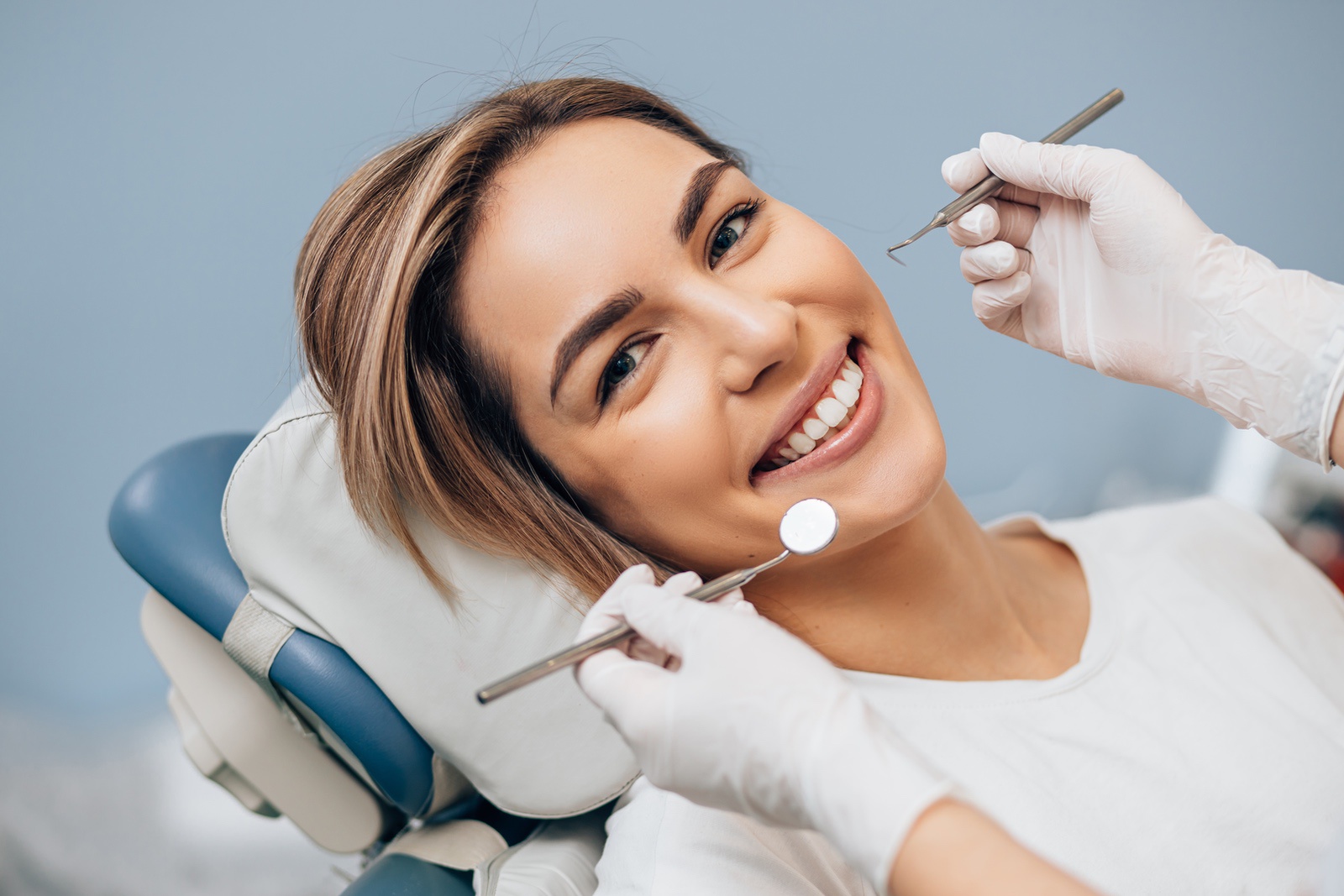
A standard preventive visit often starts with an examination to assess the health of your teeth, gums and soft tissues. This may be followed by a professional clean to remove plaque and tartar that brushing at home cannot fully shift. Patients are then given tailored advice on home care, including brushing technique, flossing and any areas that need extra attention.
Preventive care can also include monitoring for gum disease, checking old fillings or restorations, looking for signs of wear from grinding, and discussing protective options such as custom mouthguards or night guards. For patients who play sport or clench and grind their teeth during sleep, these appliances can be a practical part of prevention rather than an afterthought.
How Often Should You Go?
For many patients, six-monthly dental check-ups and cleans are a common recommendation. That said, there is no one-size-fits-all rule carved into stone tablets. Some people may need more frequent visits depending on their gum health, plaque build-up, medical history, smoking status, dry mouth, restorative work or other risk factors.
That is the useful thing about preventive dentistry: it is personalised. A dentist is not just counting teeth and sending you on your way. They are looking at patterns, habits and risks over time, then adjusting advice and recall intervals to suit your situation. Source
What You Can Do at Home
Preventive dentistry does not begin and end in the dental chair. Daily habits do a lot of the heavy lifting.
The basics still matter: brush twice a day for two minutes, floss daily, and replace your toothbrush every three to four months. If your dentist recommends a mouthwash, use it as directed rather than treating it like magic potion and hoping for the best. Lifestyle factors also play a role. Smoking, unmanaged diabetes, dehydration, stress and diet can all influence oral health and gum condition.
For children, adults and seniors alike, prevention is usually a combination of professional care and consistent home care. Neither one does the full job alone.
Preventive Dentistry Is Not Just About Cavities
When people hear “preventive dentistry”, they often think only of avoiding fillings. Fair enough, but the scope is broader.
Preventive care also helps reduce the risk of gum disease, detect wear from grinding, protect teeth during sport, monitor oral changes over time and support long-term function. In other words, it is not simply about avoiding treatment. It is about maintaining comfort, function and stability in the mouth for as long as possible.
Who Can Benefit?
Pretty much everyone, though the “why” varies.
Some patients need preventive care because they are prone to plaque build-up or gum inflammation. Others want to maintain existing crowns, fillings or implants. Seniors may benefit from tailored oral care support as the mouth changes with age. Patients with busy schedules often find that routine maintenance is simpler than waiting until something becomes urgent. Not glamorous, perhaps, but very sensible.
If you are wondering what preventive dentistry in Gold Coast actually means, the short answer is this: regular, practical care designed to help you avoid more complex dental problems later. It includes check-ups, cleans, gum health monitoring, personalised home-care advice and preventive devices where appropriate. It is less about drama, more about maintenance — and in dentistry, that is usually a very good trade.
If you want to stay ahead of dental issues rather than react to them, a preventive dental visit is a sensible place to start and you can book a consultation with Bundall Dental and Implants to discuss what may suit your case.
Frequently Asked Questions
What is included in preventive dentistry?
Preventive dentistry usually includes dental examinations, professional cleans, gum health checks, home-care advice and monitoring for early signs of decay, wear or other oral problems. Depending on the patient, it may also include custom guards for sport or teeth grinding.
How often should I book a preventive dental check-up?
Many patients are advised to attend six-monthly check-ups and cleans, but the right interval depends on individual risk factors such as gum health, plaque build-up, medical history and existing dental work.
Can preventive dentistry help with gum disease?
Yes, preventive dentistry can help identify early signs of gum disease and support better gum health through professional care and tailored home-care advice. Early management is important because gingivitis can progress if left untreated.
Are mouthguards part of preventive dentistry?
They can be. Custom sports mouthguards and night guards may be recommended to help protect teeth from trauma during sport or damage caused by clenching and grinding.
Disclaimer
This article is for informational purposes only and does not constitute professional medical or dental advice, diagnosis, or treatment. Every patient’s situation is unique, and treatment recommendations may vary based on individual circumstances. Always consult with a qualified dental professional before making decisions about your oral health care. If you have a dental emergency, contact your dentist or seek immediate medical attention.