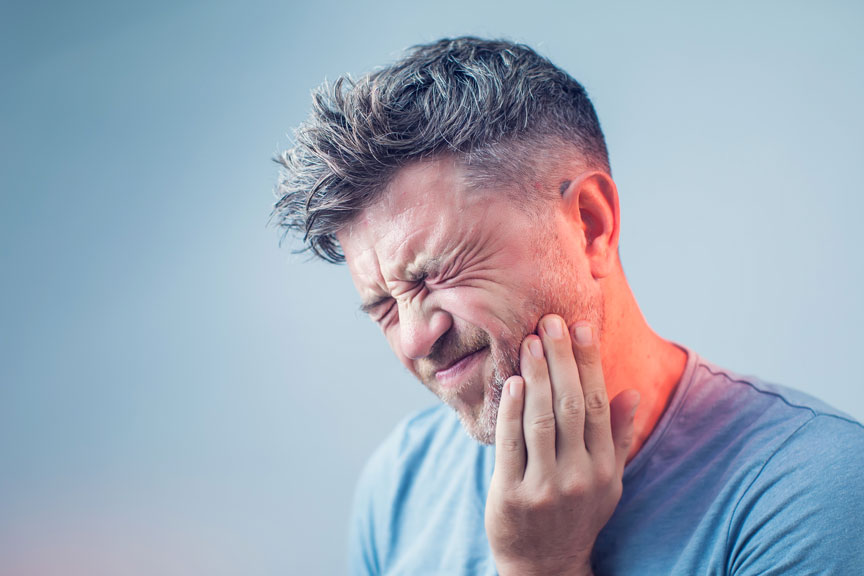
Pain in a tooth treated long ago can be concerning. If you are experiencing discomfort after a previous procedure, there are clear, treatable reasons. A root canal tooth can hurt years later from new decay, a cracked root, a failing crown seal, or reinfection of a missed canal. Many patients search for answers and wonder why is my root canal tooth hurting after years and whether professional support is available locally. Root canal treatment in Gold Coast focuses on restoring comfort and function while preserving your natural tooth whenever possible. This guide explains why pain can return after years, what symptoms to watch, how dentists diagnose the cause, and the treatment options that may help. If swelling, fever or severe pain occurs, arrange an urgent assessment with the local team at the practice.
How a treated tooth heals and why pain can return
A successful endodontic therapy removes infected pulp, disinfects the canal system and seals it to limit bacteria. Large clinical reviews report survival rates for properly restored teeth over many years, with many studies citing success rates in the 85 to 95 per cent range. Healing of the bone around the root tip usually occurs over 6 to 12 months, although radiographic changes can continue for longer. Most patients forget about the tooth once stability is reached. However, pain may reappear years later if new bacteria enter, if the restoration fails or if damage develops inside the root or supporting tissues. Learn how the process works and what retreatment might involve on our dedicated page for root canal treatment.
Common reasons pain appears years later
Several factors can trigger delayed symptoms after previous care:
- Coronal leakage from a worn or cracked filling or crown allows bacteria to re-enter.
- Missed accessory canals or complex anatomy can harbour residual microbes.
- New decay under a restoration compromises the seal and reinfects the canal system.
- A vertical root fracture can irritate the bone and gum around the root.
- Gum disease creates deep pockets that communicate with the root surface.
- A high bite or clenching overloads the tooth and supporting ligament.
If symptoms escalate quickly, arrange a same-day review with the emergency dentist team. Early intervention can prevent a larger flare-up.
Symptom patterns that help with diagnosis
Tracking specific sensations helps your clinician identify the cause:
- Sharp pain on biting may suggest a cracked cusp or root.
- Dull, lingering ache can reflect inflammation at the root tip.
- Tenderness to chewing with a gum pimple may indicate a draining sinus tract.
- Sensitivity that localises to one tooth can guide targeted testing.
Provide a full history, including recent dental work, nighttime clenching and any episodes of sinus congestion that may mimic tooth pain.
Tests your dentist may recommend
Modern diagnostics clarify why a tooth hurts after years of comfort.
- Digital radiographs capture high-detail images at a lower dose than older film.
- Cone Beam CT can reveal missed canals, small lesions and fractures in three dimensions.
- Cold testing and bite testing help locate the origin of pain.
- Magnification and illumination improve visualisation during care.
Your assessment may include a review of previous X-rays to compare changes. If you want to understand the clinic’s approach and technology, visit About us. When infections or cracks are confirmed, your dentist will explain whether retreatment, microsurgery or another pathway is suitable. For management steps, see our page on root canal treatment.
Why Root canal treatment in Gold Coast can still be needed years later
Even long-stable teeth can face new challenges that leave patients wondering, Why does my root canal tooth hurt years later, Restoration age, chewing forces accumulate and bacterial leakage can occur. Local care offers the benefit of in-person diagnostics and timely review if symptoms change. Root canal treatment in Gold Coast also supports close follow-up to track healing, which is important if a radiographic lesion takes time to resolve.
Treatment pathways, from retreatment to replacement
Your plan will be tailored to the diagnosis, tooth condition and your goals.
Retreatment of a prior root canal procedure
Retreatment involves removing old filling material, cleaning and reshaping the canal system, then resealing. Microscopes, modern irrigants and bioceramic sealers help improve precision. Many cases respond well to this pathway, including those experiencing root canal pain after years of an initial procedure. Explore the process on our root canal treatment.
Apical microsurgery when access is blocked
If a post, calcification, or separated instrument prevents entry, endodontic microsurgery can seal the root tip from the outside. Healing is monitored with follow-up imaging and clinical checks.
Extraction and implant replacement if the tooth cannot be restored
When fractures or extensive decay make a tooth non-restorable, replacement options may be discussed. Learn more about the next steps here dental implants. Your clinician will review benefits, risks and alternatives in detail.
Review and monitor when symptoms are minimal
Some small radiographic findings can remain stable without intervention. In selected cases, periodic review with low-dose imaging is reasonable. If symptoms change, treatment can proceed promptly with the local emergency dentist team.
Prevention strategies after care
Long-term comfort depends on protection against new leakage and structural stress.
- Restore worn, leaking, or broken fillings before bacteria penetrate.
- Consider a night guard if you clench, especially on heavily restored molars.
- Avoid chewing hard objects on crowned teeth.
- Maintain routine hygiene visits and home plaque control.
- Report changes in bite or sensitivity early for prompt review.
These habits support teeth that have undergone a root canal procedure and help reduce the risk of reinfection.
Local follow-up versus travel
Many patients compare overseas options with local care. Root canal treatment in Gold Coast allows convenient reviews, integrated records, and access to urgent care if symptoms recur. Travel introduces distance, scheduling complexity, and potential communication gaps. For coordination and continuity of care, t staying local could offer advantages.
Book an appointment for Root canal treatment in Gold Coast
Understanding the early signs of dental infection such as sensitivity while chewing, swelling along the gums, or a lingering bad taste can help you take timely action and protect your natural teeth. Many residents seeking root canal treatment Gold Coast often discover that prompt care can prevent the need for more complex procedures later. Visiting a qualified dentist in Gold Coast when these symptoms first appear allows for accurate diagnosis, effective pain relief and a clear follow-up plan to support long-term oral health.
Considering whole-person factors and evidence
Overall health influences healing. good sleep, nutrition and stress management support recovery. Current scientific evidence for that approach is limited and mixed. If you are considering complementary therapies, discuss them with your dentist and GP so your plan remains grounded in diagnosis, proven techniques, and safe follow-up. Your clinical pathway should prioritise accurate testing, high-quality restoration, and consistent reviews.
When to seek urgent help
Contact a dentist promptly if you notice any of the following:
- Severe or spreading pain, especially if it disturbs sleep
- Facial swelling or difficulty swallowing
- Fever or feeling unwell
- A broken crown or filling with sharp edges
The practice provides timely assessment through the emergency dentist team. Early evaluation helps reduce risk and can protect the tooth and surrounding tissues.
Final thoughts and next steps
Late pain after earlier care does not always mean failure. It often signals a new issue that can be identified and treated. Root canal treatment in Gold Coast emphasises thorough diagnostics, predictable techniques, and local follow-up. If you are noticing changes in a previously treated tooth, review the process on our root canal treatment page or learn more about the team at About us. If a tooth cannot be saved, options like dental implants may be discussed after a comprehensive assessment.
At Bundall Dental, we focus on helping patients make informed choices about their oral health. When signs such as sensitivity, swelling, or persistent discomfort appear, exploring options for root canal treatment in Gold Coast wide can be an important next step. Early diagnosis and timely intervention often make treatment simpler and more effective. If you’ve been advised to consider root canal therapy, a consultation with our dental team can help you understand the procedure, what to expect, and how it supports the long-term function of your natural teeth.
If your symptoms worsen or you develop swelling or a fever, arrange urgent care with the emergency dentist team today. Root canal treatment in Gold Coast is available to help relieve pain, protect your oral health, and restore your ability to chew with confidence. Always discuss any complementary approach with your clinicians so that they fit safely within your evidence-based dental plan.
If you’re considering whitening your smile, you may wonder whether brushing before whitening strips is necessary. Learn more in our guide:
Should I Brush My Teeth Before Using Whitening Strips?
Disclaimer: This article is for informational purposes only and does not constitute professional medical or dental advice, diagnosis, or treatment. Every patient’s situation is unique, and treatment recommendations may vary based on individual circumstances. Always consult with a qualified dental professional before making decisions about your oral health care. If you have a dental emergency, contact your dentist or seek immediate medical attention.
Frequently Asked Questions
- Why is my root canal tooth hurting after years?
A root canal tooth can hurt years later if new bacteria enter through a worn or cracked crown, new decay forms under the restoration, a canal was missed during the original procedure, or a hairline fracture develops in the root. These are all treatable conditions. If your tooth has become painful again, arrange an assessment with the team at Bundall Dental for an accurate diagnosis and a clear treatment plan. - Why does my root canal tooth hurt after 1 year?
Pain within the first year often means the tooth has not fully healed, the crown or filling placed after treatment is leaking, or a small area of infection was not fully cleared. Bone healing around the root tip can take 6 to 12 months, so some tenderness can be normal in early stages. However, worsening pain at any point after treatment should be reviewed by a dentist promptly rather than left to settle on its own. - Why is my root canal tooth sensitive to cold years later?
A tooth that has had a root canal procedure should not normally be sensitive to cold because the nerve tissue was removed during treatment. If cold sensitivity returns years later, it typically means either the adjacent tooth is the true source of the sensation, new decay has reached dentine near the root, the crown seal has broken down and exposed the tooth structure, or gum recession has exposed a root surface that was not treated. Your dentist can perform targeted cold testing to locate the exact source and determine the appropriate care. - Why does my root canal tooth hurt when I bite down?
Pain on biting after a root canal procedure usually points to inflammation at the ligament surrounding the root tip, a crack in the root or cusp, a restoration that is sitting too high and creating excessive pressure, or reinfection causing pressure to build inside the bone. Bite pain that is sharp and localised to one tooth should be assessed quickly, as a vertical root fracture detected early gives the best chance of saving the tooth. - Can teeth grinding or clenching cause pain in a root canal tooth years later?
Yes. As the blog explains, a high bite or habitual clenching places repeated excessive force on the periodontal ligament surrounding the root, causing chronic inflammation and tenderness. A root canal tooth that lacks a healthy nerve response is still connected to living bone and ligament, which means it can still hurt when overloaded. If you clench at night, a custom night guard can reduce this force significantly and protect heavily restored teeth. Bundall Dental offers custom guards as part of its general dentistry services, and this is worth discussing if bite pain is the main symptom. - How long does it take for a root canal tooth to heal after retreatment?
Bone healing around the root tip typically occurs over 6 to 12 months following successful treatment, though radiographic changes can continue for longer in some cases. After retreatment, most patients experience a significant reduction in symptoms within a few weeks, but follow-up X-rays are scheduled at intervals to confirm the lesion is resolving. If pain persists or worsens after retreatment, a review is arranged promptly. Bundall Dental monitors healing with follow-up imaging and clinical checks to ensure the tooth is progressing as expected.