
How long does a tooth filling last? Depending on the material, Cleveland Clinic notes that fillings can last 10 to 20 years, while tooth-coloured composite fillings commonly last around seven to 10 years or longer. How long an individual filling lasts depends on its size, where it sits in the mouth and how it is looked after, starting from the first few hours.
At Bundall Dental and Implants, fillings are made in tooth-coloured composite resin or, where it suits the tooth, porcelain. The timeline below walks through what is normal at each stage of a filling’s life, and when it is worth having it checked.
Quick overview
- Depending on the material, fillings can last 10 to 20 years, with composite fillings commonly lasting around seven to 10 years or longer
- You can usually eat once the numbness has worn off, which typically takes one to three hours
- Some sensitivity to hot, cold, sweet food or biting is common at first, and it is worth seeing your dentist if it has not settled after a few days
- No filling lasts forever: edges can wear, chip or open over time, which is why regular check-ups matter more than any average figure
What happens in the first few hours after a filling?
Before you leave the chair, a composite filling is hardened with a curing light, and your dentist checks your bite so the filling sits evenly against the opposite teeth. Cleveland Clinic notes that you can technically eat straight away, but waiting until the numbness wears off avoids accidentally biting your cheek, lip or tongue. Healthline puts the usual time for numbness to wear off at one to three hours.
Q: How long after a filling can you eat?
Because a composite filling is already hardened before you leave, the main reason to wait is the numbness. Once feeling has returned, usually within one to three hours, most people can eat normally, though it is worth chewing carefully if the tooth feels tender.
What is normal in the first few weeks?
Healthdirect notes that a newly filled tooth may feel more sensitive when you eat something sweet, hot or cold, or when you bite your teeth together. Cleveland Clinic adds that minor gum soreness around the area is also normal, and that over-the-counter pain relief can help in the meantime.
Q: Why is my tooth sensitive after a filling?
Mild sensitivity is a common response while the tooth settles. If biting feels uneven or the filling feels “high”, your dentist can usually reshape it in a short visit. Healthdirect advises seeing your dental professional again if the tooth is still sensitive after a few days.
What wears a filling down over the years?
Once it has settled, a filling works much like the rest of the tooth, but teeth fillings are still exposed to daily wear. Teeth.org.au, the Australian Dental Association’s patient site, explains that fillings can become worn, chipped or cracked, or change colour, and that pressure over time can open the join between the tooth and the filling. Large fillings, back teeth that take more chewing force, grinding, frequent sugary or acidic food and drink, and gaps in daily cleaning can all shorten that timeline.
Material plays a part too. Composite is bonded directly to the tooth in one visit, while porcelain fillings are made in a dental laboratory and fitted at a second appointment, and teeth.org.au describes them as very strong and long-lasting. You can read more about tooth-coloured fillings at Bundall Dental and Implants.
What does the life of a filling look like?
| Stage | What is normal | When to have it checked |
| First few hours | Numbness for around one to three hours; the composite is already hardened | The bite feels high or uneven once numbness wears off |
| First few days | Mild sensitivity to hot, cold, sweet food or biting; some gum tenderness | Sensitivity has not settled after a few days |
| The years in between | The filling works like the rest of the tooth and is checked at routine visits | Food catching, a rough edge, or sensitivity returning |
| Later years | Gradual wear, staining, or the edges beginning to open | A chip, crack, colour change, pain when biting, or the filling coming loose |
What are the signs a filling needs replacing?
Common signs include a chip, crack or rough edge, a change in colour, food catching around the filling, or new sensitivity. Regular check-ups and cleans are where most of these are picked up, often before they cause any discomfort.
Q: Why would a filling hurt months after it was placed?
Pain that starts months later is different from early sensitivity. It can point to decay around or under the edge of the filling, a crack, or irritation of the nerve inside the tooth, which sometimes needs further treatment. It is worth having checked rather than waiting.
Severe pain that does not settle with pain relief, facial or jaw swelling, or fever are reasons to contact your dentist promptly, calling ahead so the practice can prepare for your visit.
What happens when a filling is replaced?
The tooth is numbed, the old filling and any decay underneath are removed, and a new composite or porcelain filling is placed. Existing silver amalgam fillings do not need replacing just because of their age, and Healthdirect notes that amalgam is safe and effective for most people, but some patients choose amalgam replacement for appearance or when an old filling is worn. Where a filling has become very large or the tooth around it has weakened, a dentist may recommend a crown instead; see how long dental crowns last.
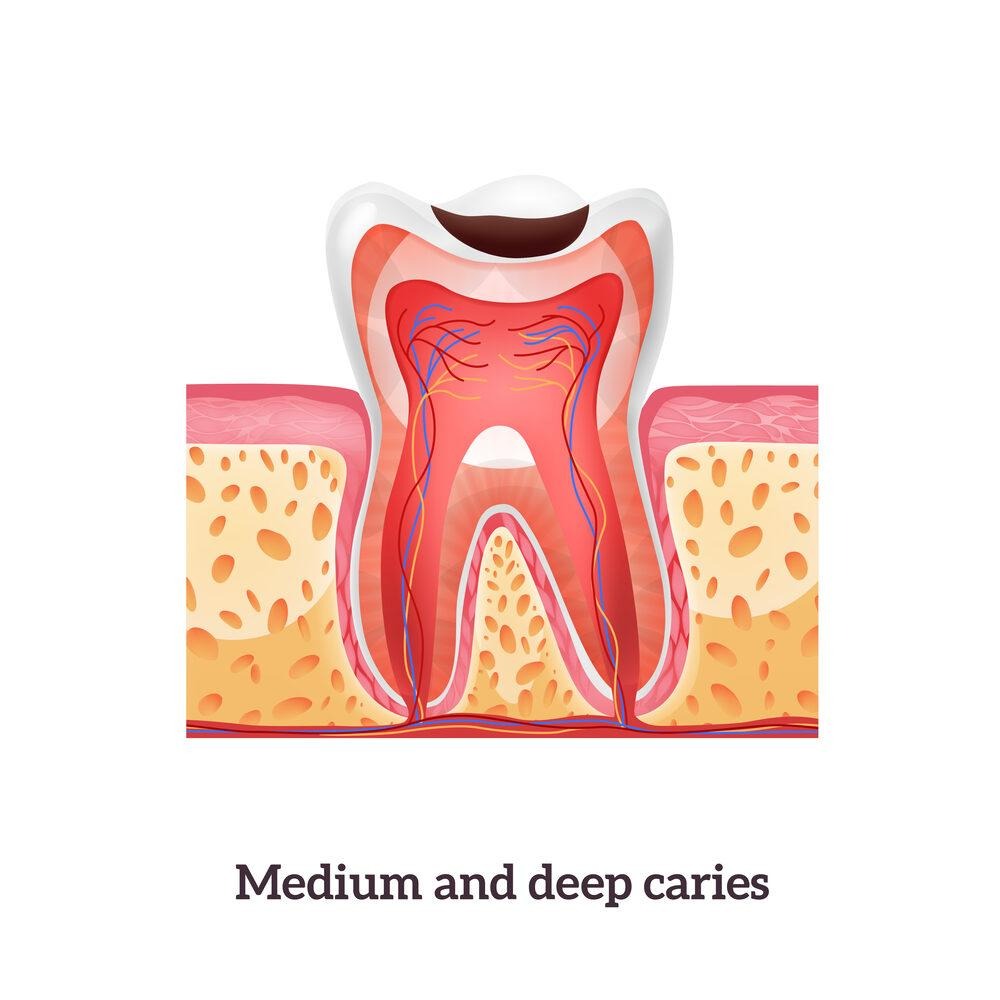
In summary: depending on the material, fillings can last 10 to 20 years, and composite fillings commonly last around seven to 10 years or longer. Most of what decides where a filling falls in that range happens day to day, through cleaning, diet and bite habits, with regular check-ups catching wear early.
If it has been a while since your fillings were checked, or something feels different, book a check-up with Bundall Dental and Implants.
Frequently Asked Questions
How long does a tooth filling last?
Depending on the material, Cleveland Clinic notes that fillings can last 10 to 20 years, while tooth-coloured composite fillings commonly last around seven to 10 years or longer. Size, position in the mouth, grinding habits, diet and daily cleaning all affect where an individual filling falls within that range.
Does getting a filling hurt?
The tooth is numbed with local anaesthetic before any decay is removed, so the procedure itself should not be painful. Some sensitivity to hot, cold, sweet food or biting is common for a short time afterwards. If it has not settled after a few days, Healthdirect advises seeing your dental professional again.
Can a filling fall out?
Yes. Over time, wear, decay at the edges or a crack can loosen a filling, and a very hard or sticky bite can occasionally dislodge one. If a filling falls out, keep the area clean, chew on the other side, and book in with your dentist soon so the exposed tooth can be assessed.
Can I replace my silver fillings with tooth-coloured ones?
Yes. Silver amalgam fillings can be replaced with tooth-coloured composite resin or, where it suits the tooth, porcelain. People usually choose this for appearance, or when an old filling is worn, cracked or has decay underneath. Your dentist will check whether each filling is sound before recommending replacement.
Disclaimer: This article is for informational purposes only and does not constitute professional medical or dental advice, diagnosis, or treatment. Every patient’s situation is unique, and treatment recommendations may vary based on individual circumstances. Always consult with a qualified dental professional before making decisions about your oral health care. If you have a dental emergency, contact your dentist or seek immediate medical attention.