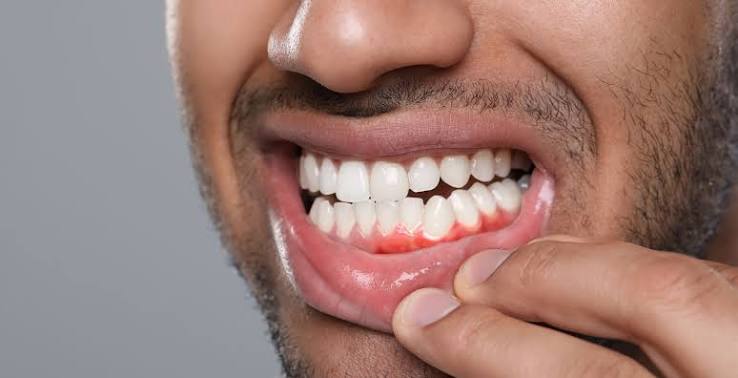
If you have noticed your gums pulling back from your teeth, you may be wondering what can actually be done about it. As explained in our earlier guide on whether receding gums grow back, gum tissue does not regenerate on its own once it is lost. The encouraging news is that a range of treatments, from simple non-surgical care through to surgical options, can address the underlying cause, ease sensitivity, and in some cases cover an exposed root.
What Is Gum Recession, and Why Doesn’t It Grow Back? (Overview)
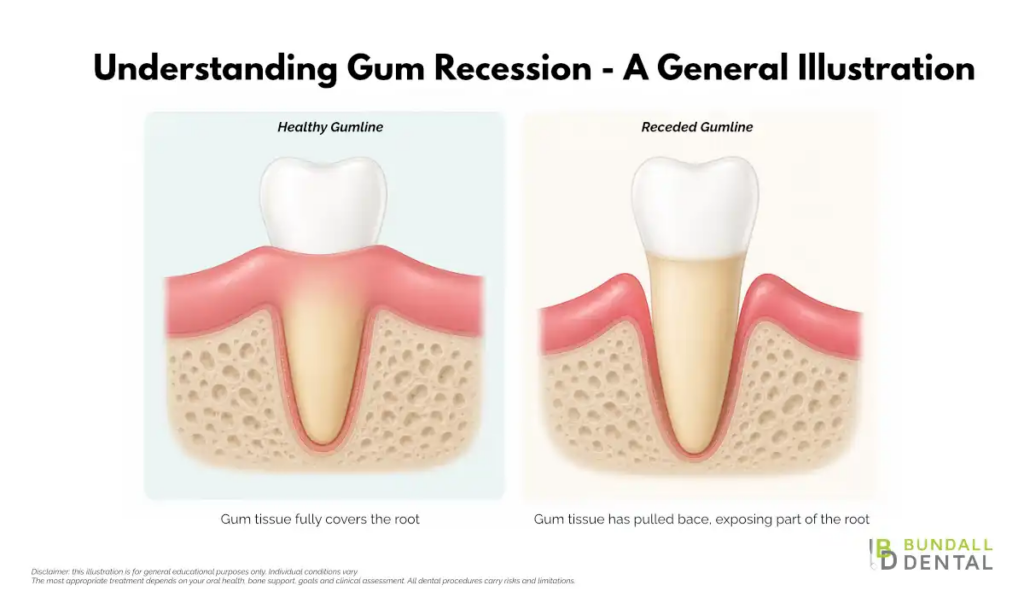
- What it is: gum recession is when gum tissue pulls back from a tooth, exposing more of the tooth or its root.
- Why it doesn’t reverse on its own: gum tissue does not regrow naturally once lost; treatment focuses on managing the cause and, where appropriate, covering the exposed root.
- Non-surgical options, such as scaling and root planing, can help stop further recession, particularly when gum disease is the cause.
- Surgical options, such as gum graft surgery, can cover an exposed root in suitable cases, assessed individually.
What Non-Surgical Treatments Can Help?
For many patients, the first step is addressing whatever is contributing to the recession. This might include a professional deep clean to remove plaque and calculus below the gumline, adjustments to brushing technique if brushing too hard is a factor, or a night guard where teeth grinding is placing pressure on the gums. Desensitising treatments can also help manage discomfort where the root surface has become exposed.
Will a professional clean make my gums grow back?
No. A scale and clean cannot regenerate lost gum tissue, but it can remove the bacterial build-up that is often driving further recession, which may help stop the problem from progressing.
Treatment Options for Receding Gums
A general overview of treatment options for receding gums. Suitability is confirmed at consultation.
- Scaling and root planing: A professional deep clean that removes plaque and calculus below the gumline to help stop further recession.
- Desensitising treatments: Products or in-chair treatments that can reduce sensitivity where the root surface has become exposed.
- Addressing contributing habits: Adjusting brushing technique, or managing teeth grinding with a night guard, where these are contributing factors.
- Gum graft surgery: A surgical procedure that can cover an exposed root using tissue from elsewhere in the mouth or a graft material.
These points are for general guidance only. Suitability depends on the cause and severity of recession and is confirmed at consultation.
What Surgical Options Exist for More Significant Recession?
For more significant recession, gum graft surgery may be an option. This involves covering the exposed root with tissue, either taken from elsewhere in the mouth or a graft material, to help protect the root surface and, in some cases, restore coverage. A systematic review of root coverage procedures found that combined graft-and-flap techniques achieved complete root coverage in at least two-thirds of patients with single-tooth recession, though results varied with the type and severity of recession. Surgical grafting is a specialised procedure, and your dentist may refer you to a periodontist, a dentist registered in that specialty, if this option is appropriate for you.
Comparing Your Options
| Treatment | Type | What It Addresses | Typically Considered For |
| Scaling and root planing | Non-surgical | Plaque and calculus below the gumline | Recession linked to gum disease |
| Desensitising treatments | Non-surgical | Sensitivity from an exposed root surface | Mild to moderate sensitivity |
| Addressing contributing habits | Non-surgical | Brushing pressure or teeth grinding | Where these are identified as factors |
| Gum graft surgery | Surgical | Covering an exposed root | More significant or worsening recession |
Which Treatment Is Right for You?
The right approach depends on what is causing the recession, how far it has progressed, and your individual oral health. At Bundall Dental and Implants, your dentist will assess your gums, discuss potential contributors to the recession, and explain which non-surgical or surgical options are appropriate for your situation. If surgical treatment is recommended, this will be discussed openly, including whether a referral to a periodontist is suitable.
Summary
Gum tissue does not grow back on its own once it has receded, but several treatments can help. Non-surgical care such as scaling and root planing, desensitising treatments, and addressing contributing habits can often stop further recession, while gum graft surgery may cover an exposed root in more significant cases. Which option suits you depends on an individual assessment.
Frequently Asked Questions
Can receding gums grow back naturally?
No. Gum tissue does not regenerate on its own once it is lost. Treatment instead focuses on managing the underlying cause and, in suitable cases, surgically covering the exposed root.
Is gum graft surgery painful?
Most patients manage the procedure well with local anaesthetic, and some tenderness afterwards is common. Your dentist or periodontist will explain what to expect and how to care for the area while it heals.
How do I know if I need surgical or non-surgical treatment?
This depends on the cause and severity of your recession. A dental assessment, including an examination of your gums, will determine which options are appropriate for you.
Can gum recession come back after treatment?
It is possible if the underlying cause, such as gum disease or heavy brushing pressure, is not managed. Ongoing oral hygiene and regular check-ups help support long-term results.
Does gum recession always need treatment?
Not always. Mild recession may simply be monitored, particularly if it is not progressing and is not causing sensitivity. Your dentist can advise whether treatment is recommended for your situation.
Disclaimer: This article is for informational purposes only and does not constitute professional dental advice. Every patient’s situation is unique. Always consult a qualified dental professional before making decisions about your oral health.