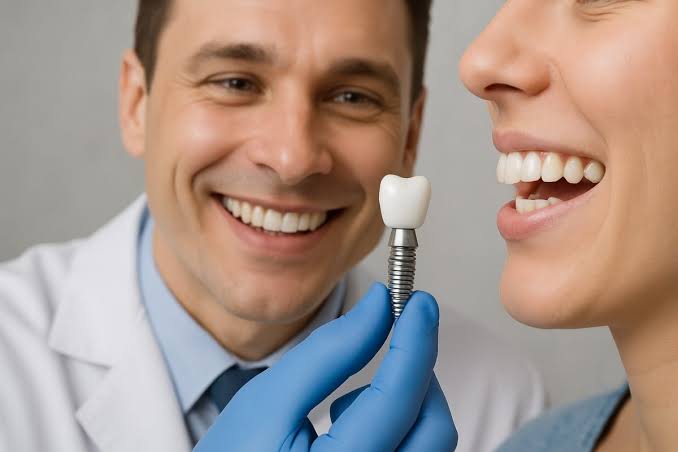
If you live in Robina and are looking into options for replacing a missing tooth, dental implants are often part of the conversation. They are designed to replace the root of a missing tooth with a titanium post that supports a crown, bridge or denture. For the right patient, they can provide a stable and long-term way to restore chewing function, appearance and comfort.
For patients in Robina, it is worth knowing that treatment is not one-size-fits-all. Some people need a single tooth replaced. Others may be missing several teeth, or need full-arch options where a complete upper or lower set of teeth is supported by implants. The right solution depends on your oral health, bone support, bite, medical history and long-term goals.
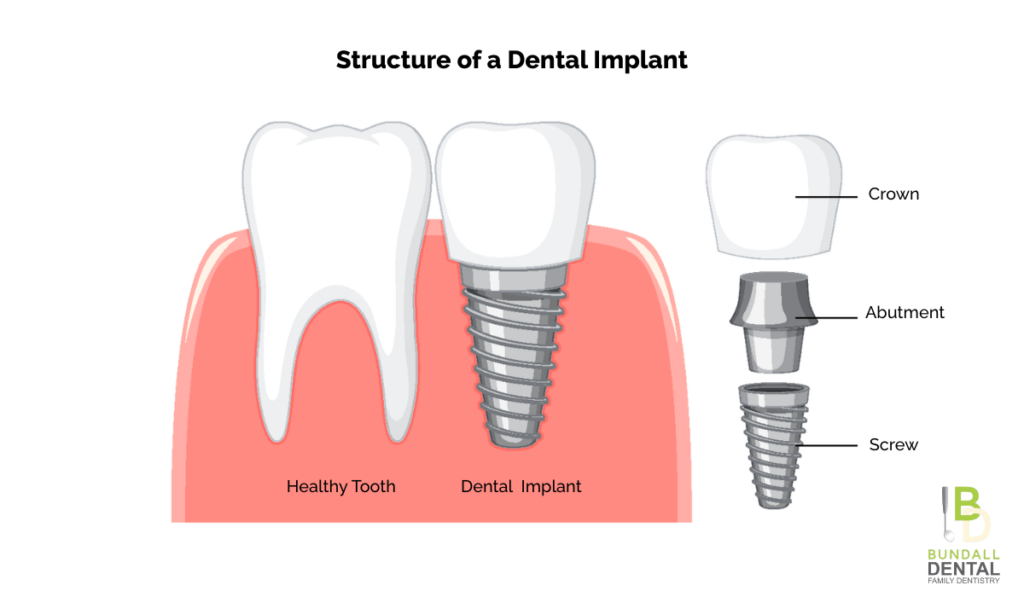
A single dental implant usually has three parts: the implant post, an abutment and the visible crown. One of the main advantages is that adjacent teeth usually do not need to be cut down in the way they may be for a traditional bridge. Implants may also help preserve jawbone in the area of the missing tooth, which is one reason they are often considered when patients want a fixed tooth replacement option.
Where multiple teeth are missing, implants can sometimes support a bridge rather than replacing every missing tooth with a separate implant. For full-arch cases, treatment concepts such as All-on-4 or All-on-X may be used, where a fixed bridge is supported by a smaller number of strategically placed implants. These options can suit some patients who want more stability than a removable denture, but suitability still needs proper clinical assessment. Patients researching dental implants Robina often ask specifically about fixed teeth Robina options, wanting a solution that doesn’t come out like a removable denture. All-on-4 and All-on-X anchor a full set of replacement teeth permanently in place, offering exactly that.
One of the most common questions from patients around Robina is what the treatment process actually involves. It usually starts with a consultation and examination, along with imaging such as detailed X-rays and often 3D scans to assess bone density and anatomy. From there, the treatment is planned carefully, including whether any preparatory treatment may be needed first. The surgical stage itself may take around one to two hours per implant depending on complexity, followed by a healing phase where the bone integrates with the implant. This healing period commonly takes around three to six months before the final tooth is fitted.
After surgery, the boring-but-important part begins: healing and maintenance. Early after-care may include resting, using ice packs in short intervals to reduce swelling, eating softer foods for a period and starting gentle saltwater rinses after the first day if advised. Longer term, implants still need daily brushing, careful cleaning between teeth and ongoing professional reviews. They are not a “fit it and forget it” situation, much as some marketing on the internet would love you to believe otherwise.
Patients also want to know how reliable implants are. Studies show a ~87% success rate over twenty years but outcomes depend heavily on the individual case. Smoking, uncontrolled diabetes, poor bone quality, oral hygiene and bite-related issues can all affect healing and long-term success. That means a good implant result is not just about the implant itself. It is also about planning, patient selection, medical history and ongoing care.
If you are based in Robina, the practical takeaway is this: dental implants can be a very good option for some Gold Coast patients, but they should be approached as a carefully planned treatment rather than a quick cosmetic fix. A proper consultation should look at the whole picture not just the gap in your smile, but your gum health, bone support, habits, and long-term maintenance needs.
At Bundall Dental and Implants, the clinic is based in Bundall and sees patients from across the Gold Coast, including Robina. If you are comparing tooth replacement options and want to understand whether implants may be appropriate for you, the sensible next step is a personalised implant consultation.
Disclaimer
This article is for informational purposes only and does not constitute professional medical or dental advice, diagnosis, or treatment. Every patient’s situation is unique, and treatment recommendations may vary based on individual circumstances. Always consult with a qualified dental professional before making decisions about your oral health care. If you have a dental emergency, contact your dentist or seek immediate medical attention.