Sticking to a dental routine should be simple: brush, floss and see your dentist. Yet an ocean of social media trends and well-meaning advice can make it hard to know which habits genuinely protect your smile and which are marketing hype. Below, our Bundall Dental team breaks down the daily dental health habits that actually work backed by solid science and the Australian Dental Association (ADA). Commit to these fundamentals, and you will lower your risk of decay, gum disease and costly treatment down the track.
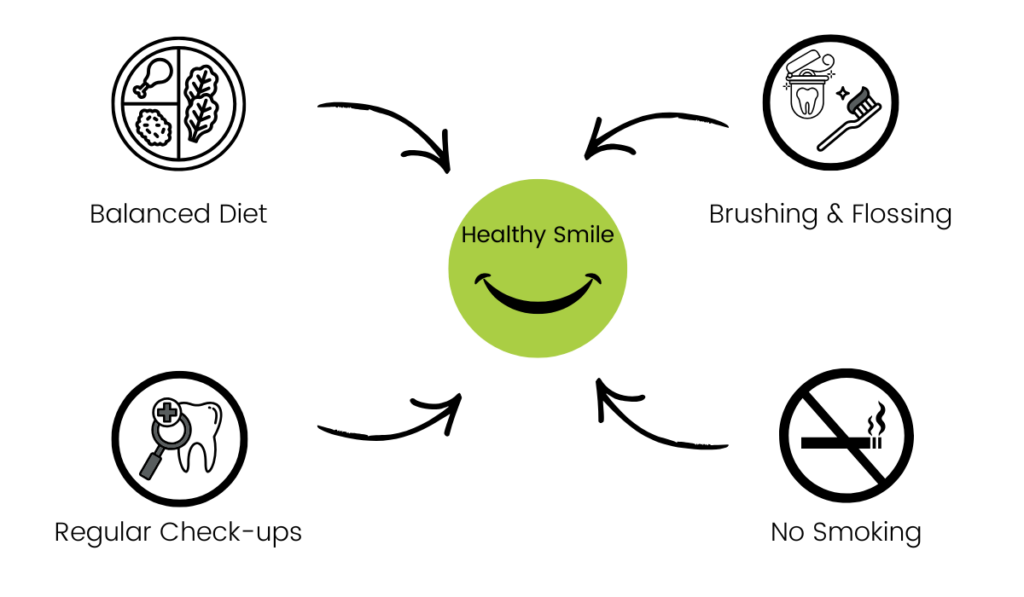
1. Brush Twice a Day But Technique Matters More Than Timing
A 2024 ADA position statement confirms that brushing morning and night with a fluoride toothpaste significantly reduces cavities. The why is straightforward: fluoride remineralises weakened enamel, while the mechanical action sweeps away plaque before it hardens into calculus.
Key technique points:
- Use a soft-bristled manual or electric brush
- Place bristles at a 45° angle to the gumline and make gentle circular motions—scrubbing side-to-side erodes enamel
- Cover every surface: outer, inner and chewing areas, plus the tongue for fresher breath
- Brush for a full two minutes (most electric brushes have a built-in timer)
Upgrade tip: Replace your brush head every three months or earlier if bristles splay.
2. Clean Between Teeth Daily
More than one-third of a tooth’s surface hides between neighbouring teeth, where decay and gum disease thrive first. Floss or an interdental brush once a day to dislodge biofilm your toothbrush cannot reach.
Not sure which tool is right? Read our guide on floss picks versus traditional floss. Wider gaps, orthodontic wires or bridges often benefit from interdental brushes; tight contacts may require traditional floss. If bleeding occurs for the first week, stick with it bleeding usually signals inflamed gums that will improve as plaque is removed. Persistent bleeding warrants a professional check-up.
Learn more about why interdental cleaning protects your overall wellbeing in our guide Why Gum Health is Essential for Your Overall Health.
3. Eat (and Drink) for Strong Teeth
Diet is the silent architect of oral health. Sugary snacks fuel acid-producing bacteria, while acidic sports drinks and sparkling water can erode enamel even when sugar-free.
Research shows that sugar-sweetened beverages significantly increase caries risk, whilst calcium-rich foods buffer acids and rebuild enamel crystals.
Smart dietary habits:
- Choose whole foods that require chewing apples, carrots and nuts stimulate saliva, the mouth’s natural cleanser
- Pair acidic items (citrus, tomatoes, vinaigrettes) with dairy or rinse with water to neutralise pH
- Limit grazing; teeth need roughly two hours between meals to recover
- Sip tap water Queensland’s supply is fluoridated, adding a micro-dose of cavity protection
For a deeper dive, read The Impact of Diet on Dental Health: Comprehensive Insights for a Healthy Smile.
4. Stay Hydrated Saliva Is Your Superpower
Dry mouth (xerostomia) multiplies cavity risk, causes bad breath and makes swallowing tough. Common triggers include certain medications, mouth breathing and dehydration. Aim for 6–8 glasses of water a day and breathe through your nose when at rest. Sugar-free chewing gum containing xylitol can further boost saliva flow and disrupt harmful bacteria.
5. See Your Dentist Twice a Year (or as Recommended)
A professional clean removes hardened calculus you cannot budge at home and allows early detection of decay, gum disease and oral cancer.
Our Bundall Dental clinicians use digital X-rays and intra-oral cameras to spot problems before they hurt and cost less to fix. Learn what happens during a preventive visit in Understanding Oral Care: How Regular Check-ups Can Save Your Teeth and discover why you need regular dental check-ups.
6. Ditch Tobacco and Moderate Alcohol
Smoking significantly increases your risk of severe gum disease and dental implant failure. Alcohol complicates matters by drying the mouth and, in excess, heightening oral cancer risk.
Quitting is challenging, but support programmes and nicotine-replacement therapies raise long-term success rates. Explore specific oral risks in The Hidden Dangers of Smoking on Oral Health and learn about lifestyle choices that are dangerous for dental health.
7. Protect Your Teeth From Trauma and Grinding
Custom sports mouthguard: Dental injuries frequently occur during sport. A dentist-made mouthguard fits better than a pharmacy kit, so athletes actually wear it.
Night guard for bruxism: Many adults grind or clench in their sleep, leading to cracks and sensitivity. A fitted acrylic splint cushions teeth and relaxes jaw muscles. Learn more about grinding and bruxism: causes, symptoms, and treatments.
8. Align Oral Health With Overall Health
Conditions like poorly controlled diabetes can accelerate periodontal disease, whilst untreated gum inflammation can worsen blood-sugar control. Share your full medical history and medications with your dentist so care is truly holistic. Explore the connection in Oral Health and Overall Health.
Habits That Don’t Work (and One That’s Overhyped)
Charcoal toothpaste: There is no scientific evidence to show that activated charcoal whitens teeth in the long term; its abrasiveness can scratch the enamel.
Oil pulling as a replacement for brushing: Swishing coconut oil may slightly reduce bacteria but cannot dislodge plaque biofilm. Use it only as an adjunct, never a substitute.
Whitening strips every week: Excessive peroxide use can dehydrate the enamel and irritate the gums. Follow product limits or opt for dentist-supervised whitening.
Building a Personal Routine That Sticks
- Anchor habits: Brush whilst listening to the same two-minute playlist each morning
- Reminders: Set calendar alerts for six-monthly check-ups our reception team can pre-book your next visit before you leave
- Family modelling: Kids emulate parents; brush together after dinner. Read our guide on children’s dental health
- Track progress: Note sensitivity, bleeding or staining in a phone journal and discuss any changes during appointments
Quick Reference Table: Evidence-Based Habits and Their Benefits
| Habit | Proven Benefit | Key Source |
| Brushing twice daily with fluoride | Significant cavity reduction | ADA, 2024 |
| Daily interdental cleaning | Lower risk of gum disease | Cochrane Review 2022 |
| Limiting free sugars to <10% energy | Significant caries decline in children | World Health Organisation |
| Professional clean every 6 months | Early detection of dental issues | Australian Institute of Health and Welfare |
| Quitting smoking | Improved periodontal healing | Journal of Clinical Periodontology 2023 |
Ready for a Healthier Smile?
Evidence-based habits give you the power to avoid most dental problems, but nothing replaces professional guidance tailored to your mouth. Bundall Dental & Implants has delivered patient-centred care to Gold Coast families for over 25 years. Whether you need a preventive clean, custom mouthguard or cosmetic dentistry, our friendly team is here to help.
Book your appointment today at Bundall Dental and discover personalised dental health strategies that actually work.
FAQs
How long after brushing should I wait before eating breakfast?
Wait at least 30 minutes, especially if you consumed acidic drinks like orange juice first. Brushing immediately on softened enamel can cause erosion. For more guidance, read our article on dental care routines
Is a water flosser as good as string floss?
Water flossers reduce bleeding and plaque but may miss tight contacts. Most dentists recommend using them in addition to traditional floss or interdental brushes, not in place of them. They’re particularly useful for patients with bridges or implants.
Are sugar-free soft drinks safe for teeth?
Whilst they remove sugar, many contain phosphoric or citric acid. Frequent sipping can still erode enamel consume in moderation and rinse with water. Learn more about diet’s impact on dental health and tooth discolouration causes.
How often should children see a dentist on the Gold Coast?
Every six months from the eruption of the first tooth or by their first birthday, unless your dentist advises otherwise. Read our comprehensive guides on children’s dental health and first dental visits for more information.
What’s the best way to prevent teeth grinding at night?
A custom-fitted night guard (occlusal splint) is the most effective solution. It cushions teeth, prevents wear, and relaxes jaw muscles. Bundall Dental creates custom guards tailored to your bite. Learn about bruxism causes and treatments in our detailed guide.
{ “@context”: “https://schema.org”, “@type”: “FAQPage”, “mainEntity”: [{ “@type”: “Question”, “name”: “How long after brushing should I wait before eating breakfast?”, “acceptedAnswer”: { “@type”: “Answer”, “text”: “
Wait at least 30 minutes, especially if you consumed acidic drinks like orange juice first. Brushing immediately on softened enamel can cause erosion. For more guidance, read our article on dental care routines.
Water flossers reduce bleeding and plaque but may miss tight contacts. Most dentists recommend using them in addition to traditional floss or interdental brushes, not in place of them. They’re particularly useful for patients with bridges or implants.
Whilst they remove sugar, many contain phosphoric or citric acid. Frequent sipping can still erode enamel consume in moderation and rinse with water. Learn more about diet’s impact on dental health and tooth discolouration causes.
Every six months from the eruption of the first tooth or by their first birthday, unless your dentist advises otherwise. Read our comprehensive guides on children’s dental health and first dental visits for more information.
A custom-fitted night guard (occlusal splint) is the most effective solution. It cushions teeth, prevents wear, and relaxes jaw muscles. Bundall Dental creates custom guards tailored to your bite. Learn about bruxism causes and treatments in our detailed guide.
Disclaimer: This article is for informational purposes only and does not constitute professional medical or dental advice, diagnosis, or treatment. Every patient’s situation is unique, and treatment recommendations may vary based on individual circumstances. Always consult with a qualified dental professional before making decisions about your oral health care. If you have a dental emergency, contact your dentist or seek immediate medical attention.