
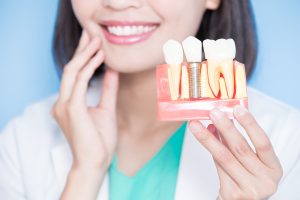
When you’re considering dental implants on the Gold Coast, one of the most common concerns is whether you have enough jawbone to support the implant. Bone loss is a natural consequence of missing teeth, but it doesn’t have to prevent you from enjoying the life-changing benefits of implants. At Bundall Dental and Implants, bone grafting procedures make successful implant placement possible even when significant bone loss has occurred.
What Is Bone Grafting?
Bone grafting is a surgical procedure that rebuilds or augments the jawbone that has deteriorated due to tooth loss, gum disease, trauma or infection. The procedure involves placing bone graft material into areas where bone volume is insufficient, allowing new bone to grow and creating a stable foundation for dental implant placement.
Bone graft material can come from several sources:
- Autogenous bone (your own bone, harvested from another site)
- Allograft bone (processed donor bone)
- Xenograft bone (animal-derived bone, usually bovine)
- Synthetic bone substitutes (biocompatible manufactured materials)
Each type has specific advantages, and Dr Mehran Shaibani will recommend the most appropriate option based on your individual needs and the extent of bone loss.
Why Is Bone Grafting Necessary?
When teeth are lost, the surrounding jawbone begins to deteriorate because it no longer receives the stimulation that tooth roots provide. Research shows that within the first year after tooth loss, bone width can decrease by 25 per cent, with continued gradual loss over time.
Insufficient bone volume creates several problems:
- Prevents implant placement – implants require adequate bone height, width and density for stability
- Compromises implant success – insufficient bone increases the risk of implant failure
- Affects facial appearance – bone loss causes facial sagging and premature ageing
- Limits treatment options – without bone grafting, dentures may be your only option
Bone grafting rebuilds this lost bone structure, making it possible to place single tooth implants, multiple tooth implants or even full arch restorations like All-on-4.
Types of Bone Grafting Procedures
Socket Preservation Grafts
Performed immediately after tooth extraction, socket preservation fills the empty tooth socket with bone graft material to prevent bone loss and maintain the ridge for future implant placement. This proactive approach significantly improves implant success rates.
Ridge Augmentation
When the jawbone ridge has become too thin or narrow, ridge augmentation rebuilds the width and height of the bone. This procedure is often necessary for patients who have been missing teeth for extended periods or wore ill-fitting dentures that accelerated bone loss.
Sinus Lift (Sinus Augmentation)
For upper jaw implants in the back teeth region, a sinus lift adds bone beneath the sinus cavity. The maxillary sinuses naturally expand into the jawbone after tooth loss, leaving insufficient bone for implant placement. A sinus lift gently elevates the sinus membrane and places bone graft material underneath, creating adequate height for implant success.
Block Bone Grafts
In cases of severe bone loss, block grafts use larger sections of bone (typically harvested from your own jaw) to rebuild significant defects. Whilst more involved than other grafting techniques, block grafts provide excellent results for complex cases.
The Bone Grafting Procedure
Step 1: Comprehensive Assessment
Using advanced 3D CBCT imaging, Dr Shaibani precisely measures your existing bone volume and identifies areas requiring augmentation. This detailed planning ensures optimal graft placement and implant positioning.
Step 2: Graft Placement
Under local anaesthesia (with sedation available for anxious patients), the graft material is carefully placed into the deficient area. The site is then covered with a protective membrane and sutured closed.
Step 3: Healing and Integration
Over the next 4-6 months, your body gradually replaces the graft material with your own new bone through a process called osteogenesis. During this period, the new bone matures and strengthens, creating a solid foundation for implant placement.
Step 4: Implant Placement
Once adequate bone volume has regenerated and matured, dental implant surgery can proceed with confidence. The newly formed bone provides the stability and support necessary for long-term implant success.
Recovery and Aftercare
Most patients experience minimal discomfort following bone grafting, typically managing well with over-the-counter pain relief. Swelling and minor bruising are normal and usually resolve within a week.
Post-operative care includes:
- Taking prescribed medications as directed
- Applying ice packs to reduce swelling in the first 48 hours
- Eating soft foods during the initial healing phase
- Avoiding smoking, which significantly impairs bone healing
- Maintaining excellent oral hygiene whilst protecting the surgical site
- Attending follow-up appointments for monitoring
The majority of patients return to normal activities within a few days, though strenuous exercise should be avoided for approximately two weeks.
Success Rates and Long-Term Outcomes
Modern bone grafting techniques boast success rates exceeding 90 per cent when performed by experienced practitioners using quality materials. Factors that contribute to successful grafting include:
- Adequate blood supply to the surgical site
- Proper surgical technique and graft material selection
- Patient compliance with post-operative instructions
- Avoidance of smoking
- Good overall health and oral hygiene
Once integrated, grafted bone functions identically to your natural bone, providing permanent support for dental implants that can last a lifetime with proper care.
Is Bone Grafting Right for You?
Bone grafting may be recommended if you:
- Have been missing teeth for an extended period
- Experienced bone loss due to gum disease or infection
- Had a traumatic tooth loss or facial injury
- Wore dentures for many years, accelerating bone resorption
- Have naturally thin jawbone anatomy
- Previously had unsuccessful implant attempts
During your consultation at Bundall Dental and Implants, Dr Shaibani will conduct a thorough assessment including CBCT imaging to determine whether bone grafting is necessary for your implant treatment.
Expert Bone Grafting on the Gold Coast
With over 25 years of experience in implant dentistry and membership in the Australian Society of Implant Dentistry (ASID), Dr Mehran Shaibani has successfully performed hundreds of bone grafting procedures for Gold Coast patients. His expertise in advanced grafting techniques, combined with state-of-the-art 3D imaging technology, ensures optimal outcomes even in complex cases.
At Bundall Dental and Implants, we understand that bone grafting adds time to your treatment journey, but it’s an investment in long-term implant success and oral health. We provide transparent information about timelines, costs, and what to expect at every stage, empowering you to make confident decisions about your care.
Don’t Let Bone Loss Hold You Back
If you’ve been told you don’t have enough bone for dental implants, bone grafting may open the door to the smile restoration you deserve. Whether you need a single tooth replacement, multiple teeth restored, or full arch implants, bone grafting can make it possible.
Contact Bundall Dental and Implants today to schedule your comprehensive implant consultation. Discover how bone grafting can transform your candidacy for dental implants and restore your smile, function, and confidence.
FAQs about Bone Grafting
How painful is bone grafting for dental implants?
Most patients experience minimal discomfort during bone grafting procedures, performed under local anaesthesia. Post-operative soreness is typically manageable with over-the-counter pain relief and resolves within a few days. Many patients report less discomfort than anticipated. Sedation options are available for anxious patients at Bundall Dental.
How long does it take for bone graft to heal before implants?
Bone graft healing typically takes 4-6 months before dental implant placement can proceed. This healing period allows the graft material to integrate with your natural bone and develop sufficient strength. In some cases, Dr Shaibani may place implants simultaneously with minor grafts, reducing overall treatment time.
What is the success rate of bone grafting for dental implants?
Modern bone grafting techniques have success rates exceeding 90 per cent when performed by experienced implant dentists like Dr Shaibani. Success depends on factors including surgical technique, graft material quality, patient health, oral hygiene, and avoiding smoking. Once integrated, grafted bone supports dental implants just like natural bone.
Can I get dental implants without bone grafting?
Some patients have sufficient natural bone for immediate implant placement without grafting. However, if you’ve been missing teeth for years, have gum disease, or wore dentures long-term, bone grafting is often necessary. Advanced techniques like All-on-4 can sometimes bypass grafting by strategically angling implants. Contact us for an assessment.
How much does bone grafting cost on the Gold Coast?
Bone grafting costs vary based on the type of graft, extent of bone loss, and graft material used. Bundall Dental and Implants provides transparent pricing with detailed treatment plans during your consultation. Flexible payment plans are available. While bone grafting adds initial cost, it’s essential for long-term implant success.
Disclaimer: This article is for informational purposes only and does not constitute professional medical or dental advice, diagnosis, or treatment. Every patient’s situation is unique, and treatment recommendations may vary based on individual circumstances. Always consult with a qualified dental professional before making decisions about your oral health care. If you have a dental emergency, contact your dentist or seek immediate medical attention.


