Missing teeth can affect more than just the way your smile looks. Depending on today’s life. For many people in Bundall, Surfers Paradise, Broadbeach, Southport and the wider Gold Coast, dental implants come up early in the conversation when looking at tooth replacement options. At Bundall Dental and Implants, implant treatment is part of a broader, patient-focused approach to restoring comfort, function, and oral health.
What are dental implants?
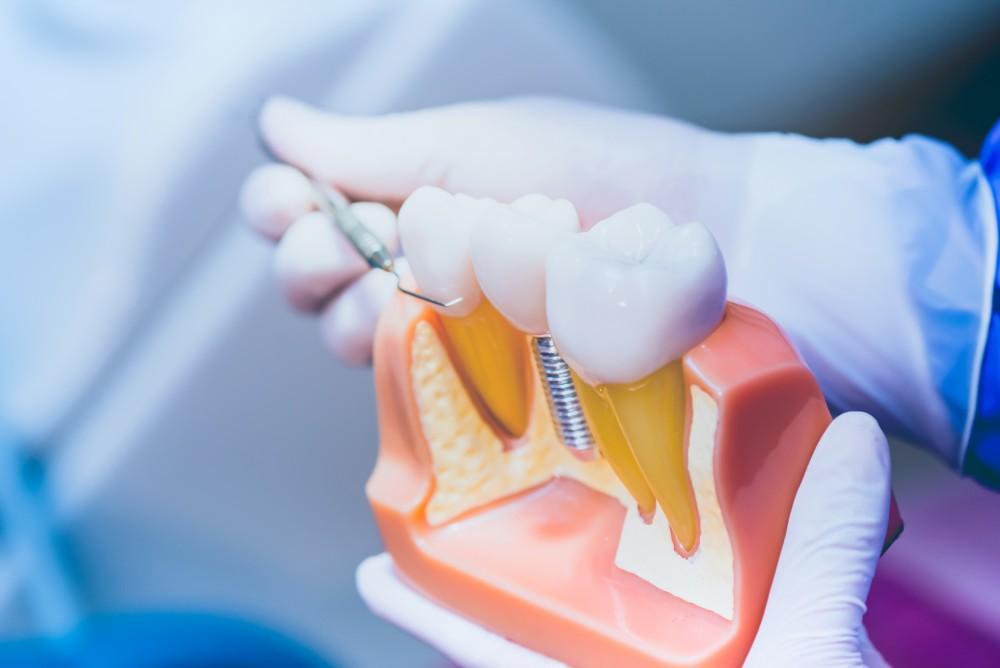
Dental implants are titanium posts placed into the jawbone to replace missing tooth roots. After healing, they can support a crown, bridge, or denture, depending on how many teeth need to be replaced and what type of restoration is most appropriate. The aim is to provide a stable foundation for tooth replacement rather than a removable solution that relies only on the gum surface.
One of the reasons implants are so widely discussed is that replacing a missing tooth is not only about appearance. A gap in the mouth can affect how pressure is distributed when you bite, how neighbouring teeth behave over time, and how comfortable you feel when eating or speaking. Patients comparing options often look at dental bridges vs implants and the wider issue of replacing lost teeth before deciding what questions to raise in consultation.
Who may be suitable for dental implants?
Suitability is always case-specific. Some patients may be good candidates for implants straight away, while others may first need treatment for gum disease, a tooth extraction, or procedures that improve the support available for the implant. Factors such as oral hygiene, bone volume, bite forces, smoking, medical history, and the condition of nearby teeth all matter. That is why implant planning should begin with proper assessment rather than assumptions.
At Bundall Dental and Implants, Dr Mehran Shaibani has a strong clinical focus on implantology, dental rehabilitation, and comprehensive treatment planning. The care is tailored to the individual rather than delivered as a one-size-fits-all recommendation.
What types of implant treatment are available?
Single tooth replacement
If one tooth is missing, a single implant may support an individual crown. This option is often considered when the teeth on either side are otherwise healthy and there is no need to involve them in a bridge.
Implant-supported bridges
When several teeth are missing together, one implant per tooth is not always necessary. In some cases, strategically placed implants can support multiple joined crowns. This principle is also part of the logic behind larger implant restorations and helps reduce unnecessary surgical intervention where a more efficient design may work well.
Full arch replacement, All-on-4, and All-on-X
Where all teeth in the upper or lower jaw are missing, or need replacement, full arch treatment may be considered. Bundall Dental and Implants describes All-on-4 and All-on-X as full arch concepts where a fixed bridge is supported by a planned number of implants, often four to six depending on the case. The exact number depends on bone availability, bite demands, and the treatment design required for stability.
Implant-supported dentures
Some patients may be better suited to implant-supported dentures rather than a fully fixed bridge. This can provide more stability than a conventional removable denture while still depending on the overall goals of treatment and the condition of the mouth.
What are the potential benefits?
Implants are often considered because they may offer a more stable replacement than removable alternatives. The practice’s implant pages describe support for function, improved stability, and the possibility of helping preserve jawbone in the area of the missing tooth. Full arch implant content also highlights that a fixed implant-supported solution may reduce concerns about slipping or movement that some denture wearers experience.
That said, implant treatment should never be presented as automatic, simple, or suitable for everyone. Long-term success depends on planning, healing, hygiene, maintenance and broader health factors. In other words, the idea can be straightforward, but the right recommendation still depends on detailed assessment.
What does the treatment process usually involve?
The process starts with consultation and assessment. This is the stage where the dentist examines the missing tooth area, checks the health of the gums and remaining teeth, and considers what kind of implant restoration may be appropriate. Some patients are looking at a single missing tooth, while others are dealing with multiple missing teeth, unstable dentures, or complex restorative needs.
If additional preparation is needed, this may involve treatment such as tooth extraction, gum care, or bone grafting. Once implants are placed, healing time is usually required before the final crown or bridge is fitted, although some full arch cases may involve provisional teeth on the same day when conditions allow. The timing depends on the stability achieved, the anatomy of the case, and clinical judgement.
How are dental implants maintained?
Implants still need regular care. Good brushing, cleaning between the teeth, professional maintenance, and review of the surrounding gums all play a part. Patients who grind or clench may also need protective strategies as part of their long-term plan. Even where the implant itself is stable, the health of the tissues around it still matters.
That is one reason routine check-ups and cleans remain important. The practice recommends regular six-monthly maintenance visits, with frequency adjusted where needed according to the patient’s oral health and risk profile.
What if implants are not the right next step?
Not every patient who asks about implants is ready to proceed straight away. Some need time to understand the options. Others may first need attention for root canal treatment, gum problems, a damaged tooth, or a broader restorative plan. Depending on the case, alternatives may include crowns and bridges, dentures, or staged treatment over time.
That is why the most useful first step is often not choosing the treatment yourself, but booking an assessment and getting a proper clinical opinion on what suits your mouth, your goals, and your longer-term oral health.
FAQs about Dental Implants in Gold Coast
Are dental implants painful?
Comfort varies from person to person and depends on the procedure involved. The right discussion is not whether implants sound painful online, but how your treatment would be planned, staged, and managed based on your case.
How long do dental implants last?
There is no universal answer. Longevity depends on factors such as oral hygiene, gum health, bite forces, general health, and regular maintenance.
What is the difference between All-on-4 and All-on-X?
All-on-4 refers to a full arch implant concept using four implants. All-on-X is a broader term where the number of implants may vary according to the case.
Can implants replace more than one missing tooth?
Yes, in some cases implants can support bridges or full arch restorations rather than replacing each tooth individually. The design depends on the number of missing teeth and the support available.
How do I know if I am suitable for dental implants?
Suitability requires a proper dental assessment. Your gums, bone support, bite, medical background, and overall oral health all need to be considered before treatment is recommended.
Ready to explore your options with Bundall Dental and Implants?
If you are considering dental implants Gold Coast, a personalised consultation is the best place to start. At Bundall Dental and Implants, the focus is on understanding your oral health, explaining the options clearly, and recommending a treatment path that fits your individual needs. Contact Bundall Dental and Implants today to schedule your comprehensive implant consultation.
Disclaimer: This article is for informational purposes only and does not constitute professional medical or dental advice, diagnosis, or treatment. Every patient’s situation is unique, and treatment recommendations may vary based on individual circumstances. Always consult with a qualified dental professional before making decisions about your oral health care. If you have a dental emergency, contact your dentist or seek immediate medical attention.