General & Preventive Dentistry
Dental Splints & Teeth Grinding Treatment on the Gold Coast
Understanding Bruxism (Teeth Grinding)
Teeth grinding, scientifically known as bruxism, is a common condition that often occurs unconsciously during sleep. This involuntary clenching and grinding can be extremely damaging to your teeth, jaw muscles, ligaments, and the temporomandibular joint (TMJ). Over time, bruxism can lead to worn enamel, cracked teeth, jaw pain, headaches, and even tooth loss.
Many Gold Coast residents suffer from bruxism without even realizing it until their dentist identifies telltale signs during a routine check-up. For more detailed information about this condition, read our comprehensive guide on grinding and bruxism: causes, symptoms, and treatments.
What Are Temporomandibular Joint Disorders (TMD)?
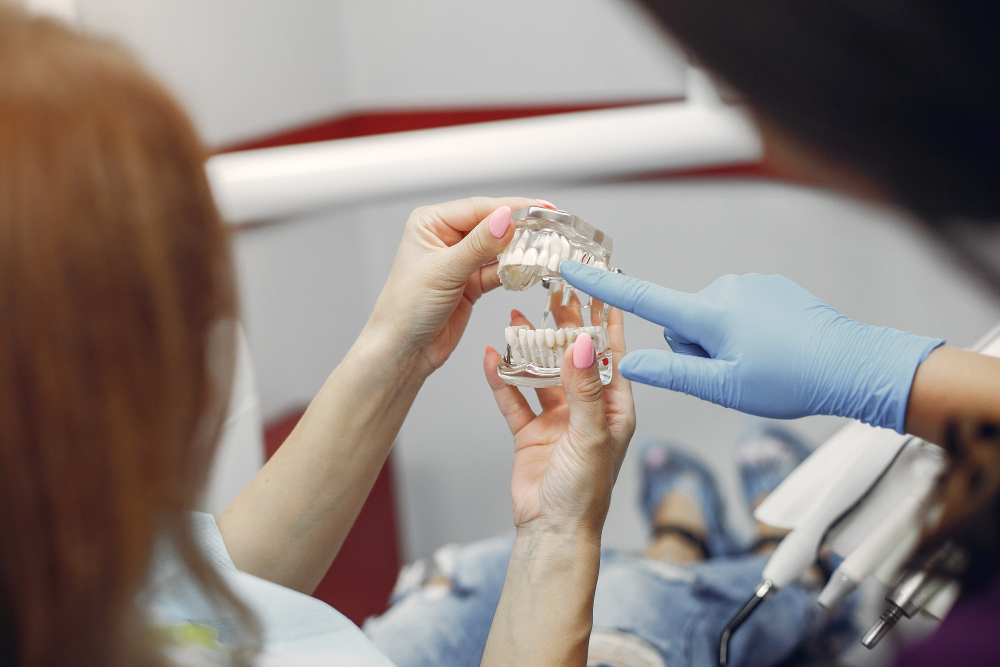
Temporomandibular joint disorders (TMD) affect the jaw joint and surrounding muscles, causing pain, clicking sounds, limited jaw movement, and facial discomfort. Bruxism is one of the leading causes of TMD, though the condition can also be triggered or worsened by stress, misaligned teeth, or jaw injuries.
Symptoms of TMD include:
- Chronic jaw pain or stiffness
- Frequent headaches or migraines
- Earaches or ringing in the ears
- Difficulty chewing or opening your mouth fully
- Clicking, popping, or grinding sounds when moving your jaw
At Bundall Dental And Implants, we regularly assess and treat patients with TMD, offering comprehensive solutions tailored to your specific needs.
Occlusal Splints: Protective & Corrective Treatment
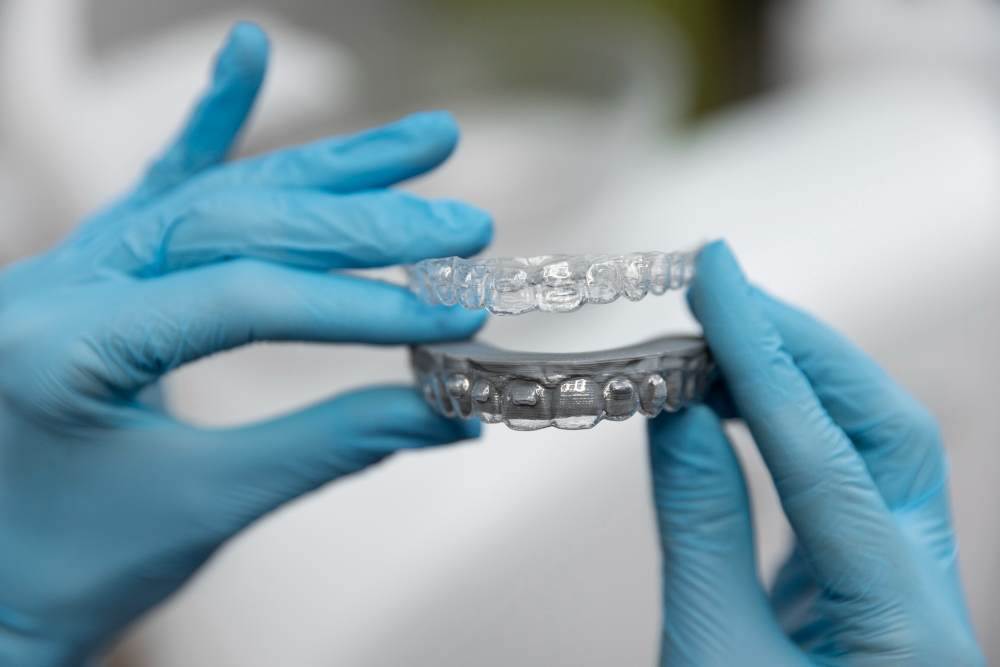
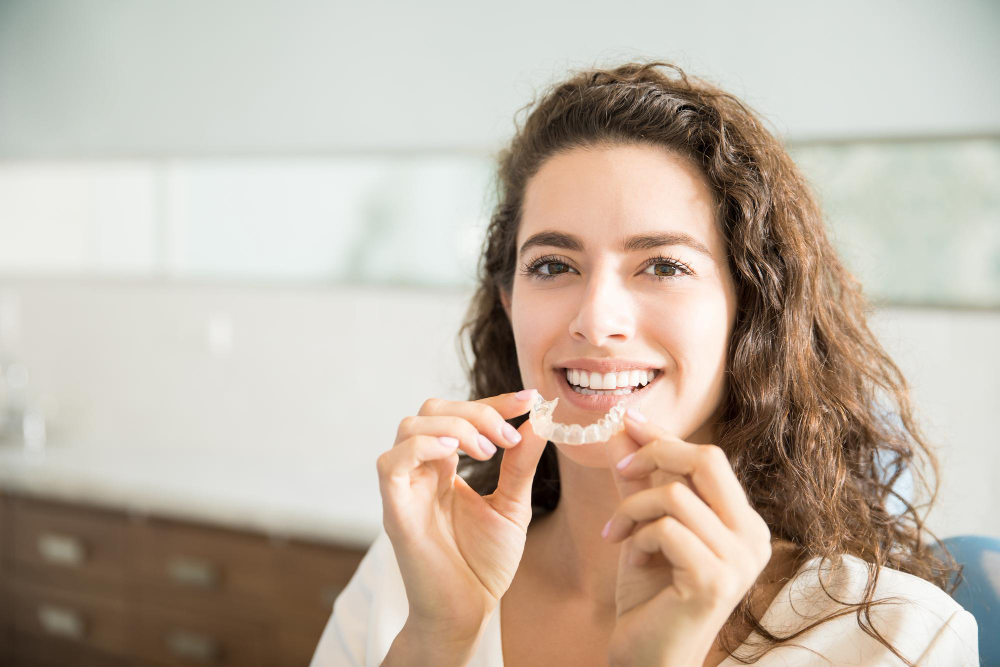
One of our most effective treatment modalities for bruxism and TMD is a custom-made occlusal splint—also known simply as a “splint” or night guard. These protective devices are worn over your teeth (typically at night) to:
- Prevent tooth damage – protects enamel from grinding wear
- Reduce jaw muscle tension – minimizes clenching force
- Relieve TMJ pressure – allows the jaw joint to rest in a neutral position
- Protect dental work – safeguards crowns, fillings, and other restorations
- Correct bite alignment – in some cases, splints can help reposition the jaw for improved function
Unlike over-the-counter night guards, our custom occlusal splints are precisely crafted from impressions of your teeth, ensuring optimal fit, comfort, and therapeutic effectiveness.
Symptoms of TMD include:
- Chronic jaw pain or stiffness
- Frequent headaches or migraines
- Earaches or ringing in the ears
- Difficulty chewing or opening your mouth fully
- Clicking, popping, or grinding sounds when moving your jaw
At Bundall Dental And Implants, we regularly assess and treat patients with TMD, offering comprehensive solutions tailored to your specific needs.
Occlusal Splints: Protective & Corrective Treatment
If you know or suspect that you grind your teeth, don’t wait until significant damage occurs. Early intervention can prevent costly restorative treatments down the line. Dr Mehran Shaibani and our experienced team at Bundall Dental And Implants have extensive knowledge and proven expertise in diagnosing and managing bruxism and TMD.
We’ll conduct a thorough assessment of your jaw function, tooth wear patterns, and symptoms to develop a personalized treatment plan that may include occlusal splints, bite adjustments, or stress management strategies. Our preventive dental care approach can help protect your teeth from the long-term effects of grinding.
bruxism | splint | teeth grinding sleep | teeth grinding in sleep | grinding teeth | splint dental